Devlog
How a system actually works, and why it was built that way.
- 8articles
- RSS feed
-
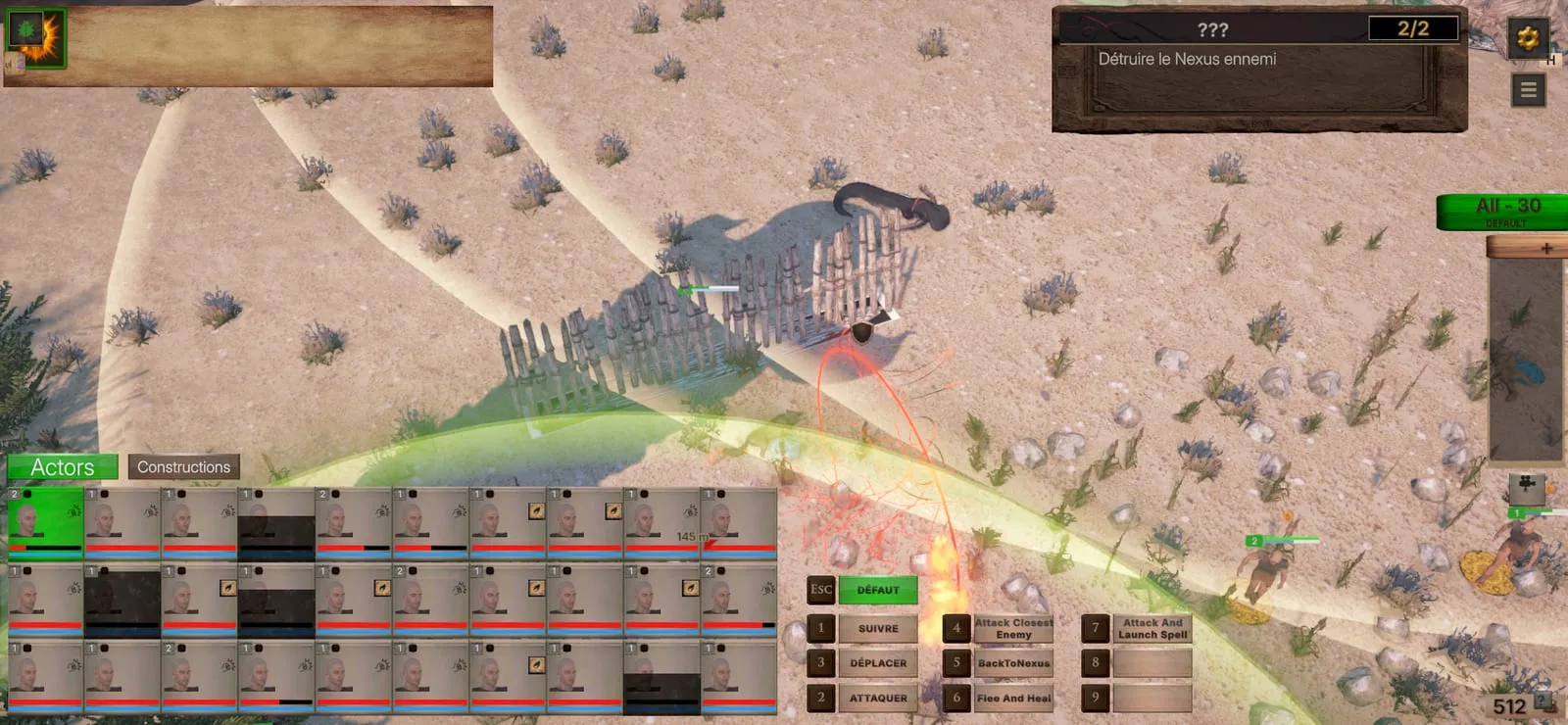
The bug that only existed for the guest
A player reported a PvP session where the cursor died, people died twice and the game kicked them out with nothing in their log. The host saw none of it. Four causes, all client-only, and the one rule that would have prevented all four.
-
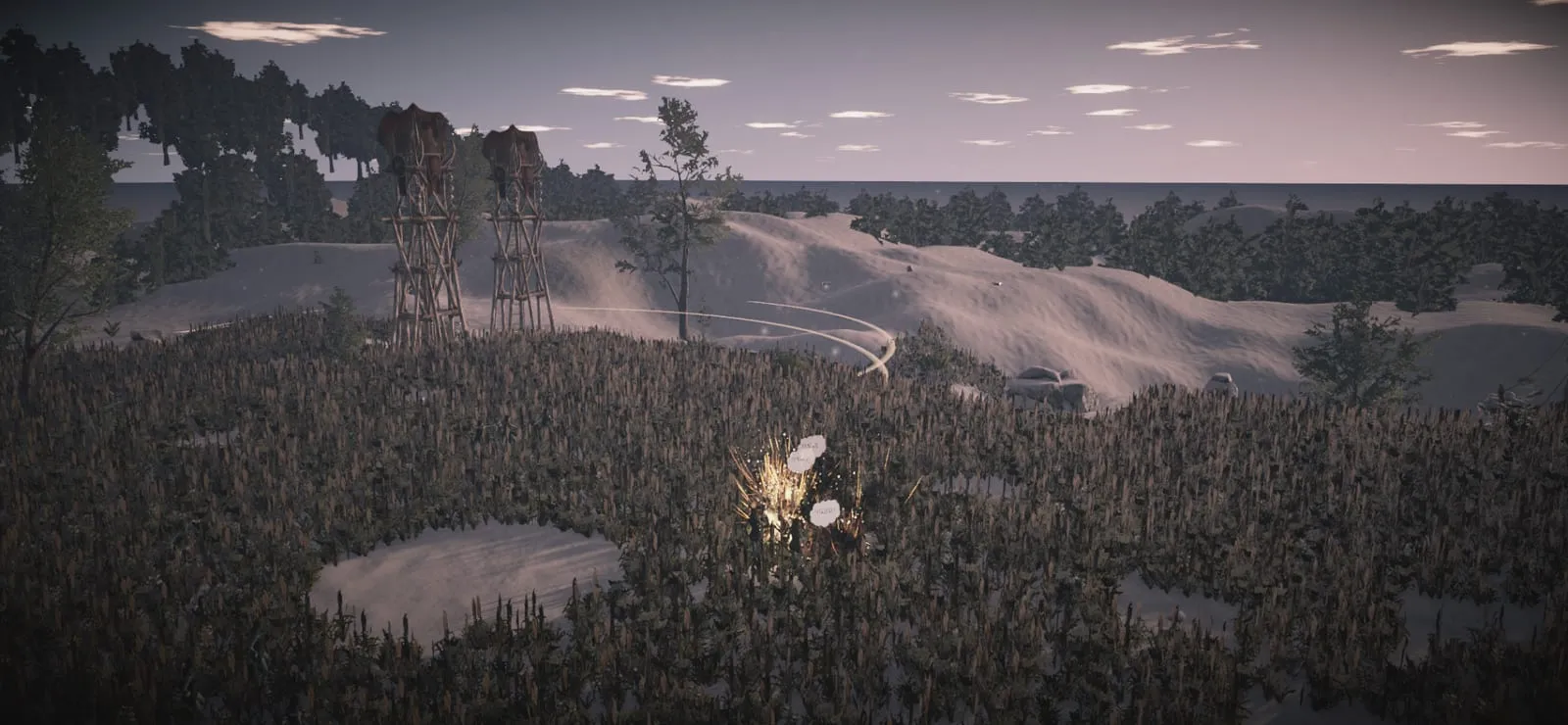
The game films itself
A JSON timeline drives a real match — start a game, frame the camera, run a macro, wait — while the run writes a log of every beat with its timecode. Screenshots, trailers and visual decisions all come out of the same mechanism.
-
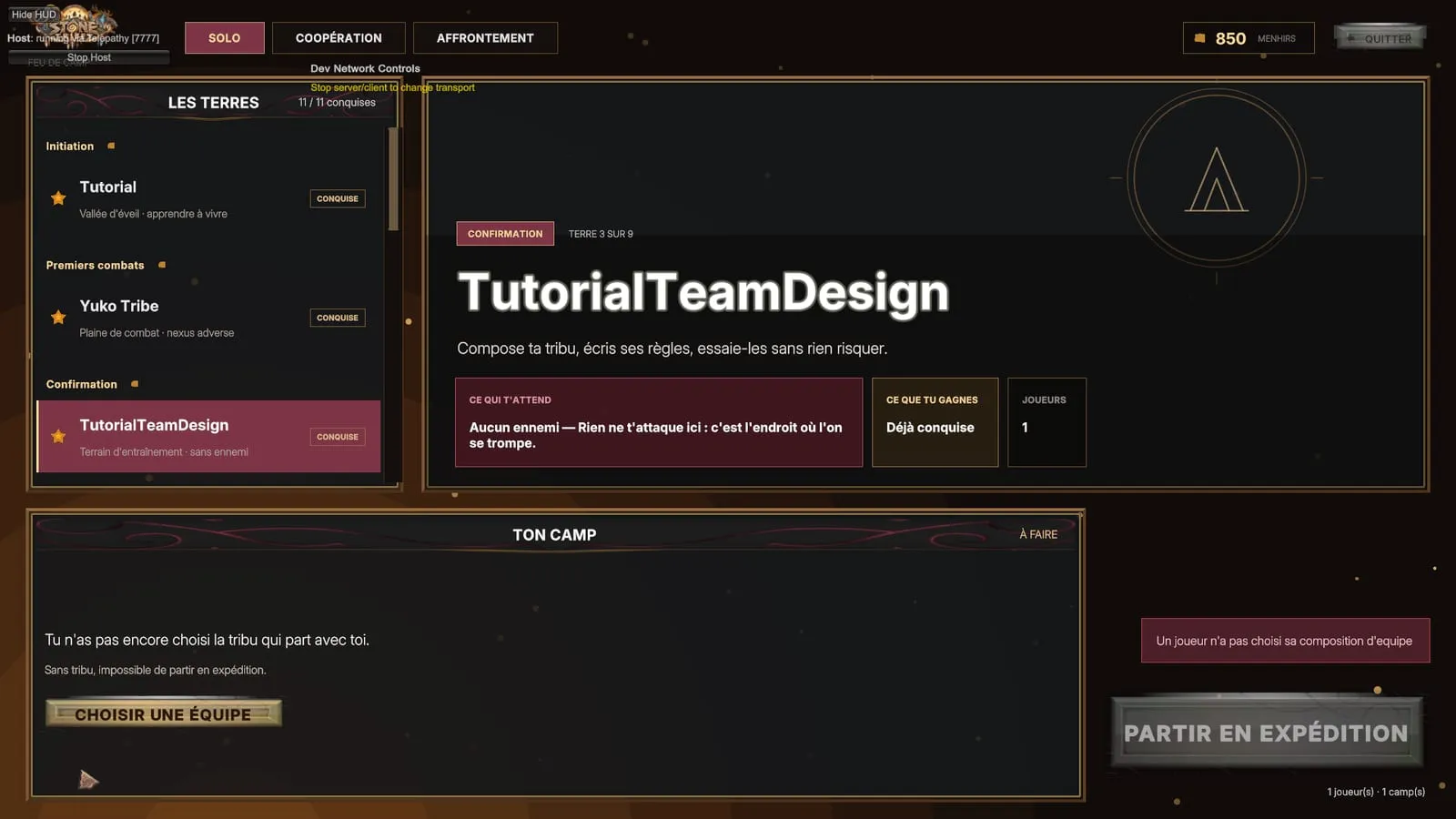
The interface was from another game
Three panels used an opaque black button sprite as both their background and their list background, so an empty inventory read as a large black slab in a game made of wood and painted hide. Replacing that, and the audit tool that found what was actually on screen.
-
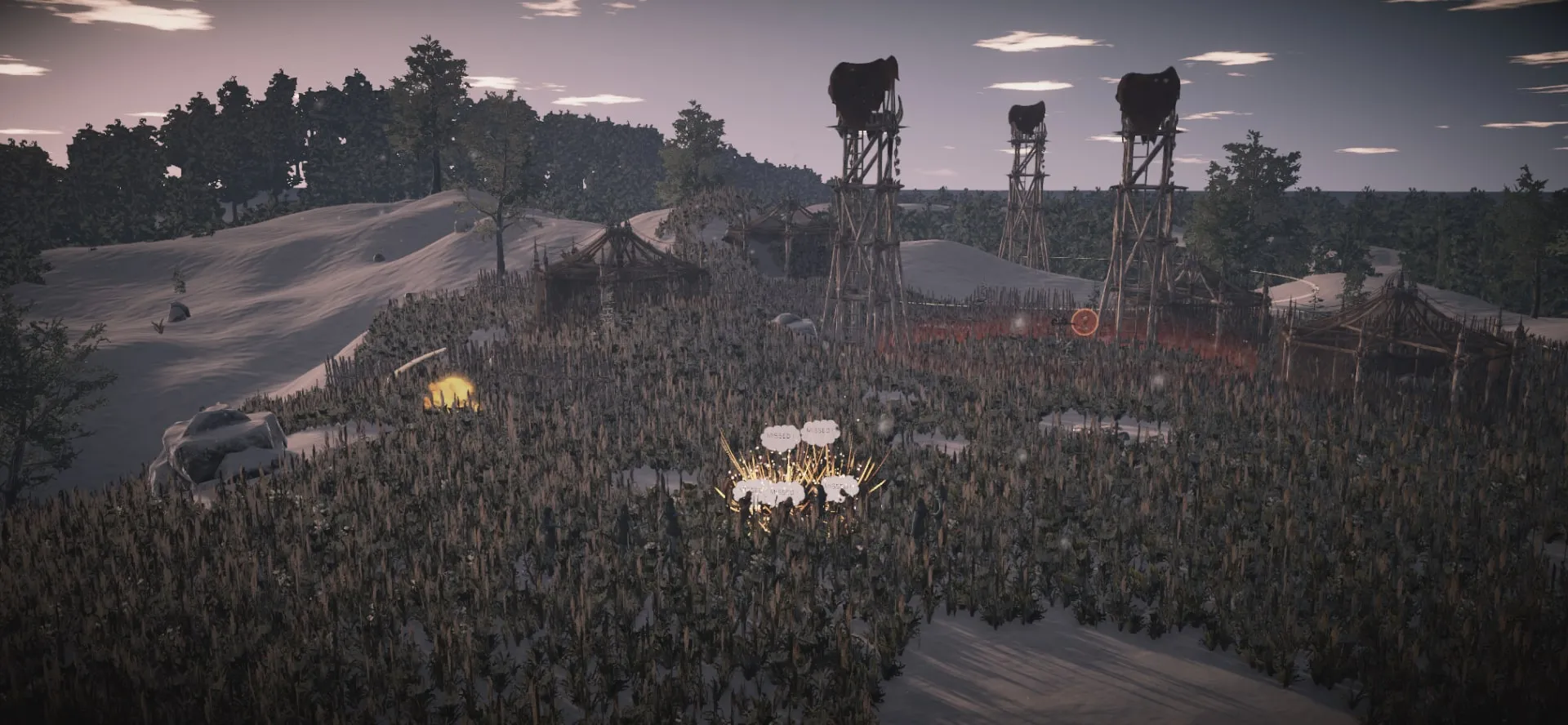
The tower that never upgraded
A defensive building could be levelled up, the window showed the cost, and absolutely nothing happened. The curves were written on a scale that runs to 254 while a building stops at 9 — so every upgrade delivered the first three per cent of what it promised.
-
Two suns, and the hour the world stopped at
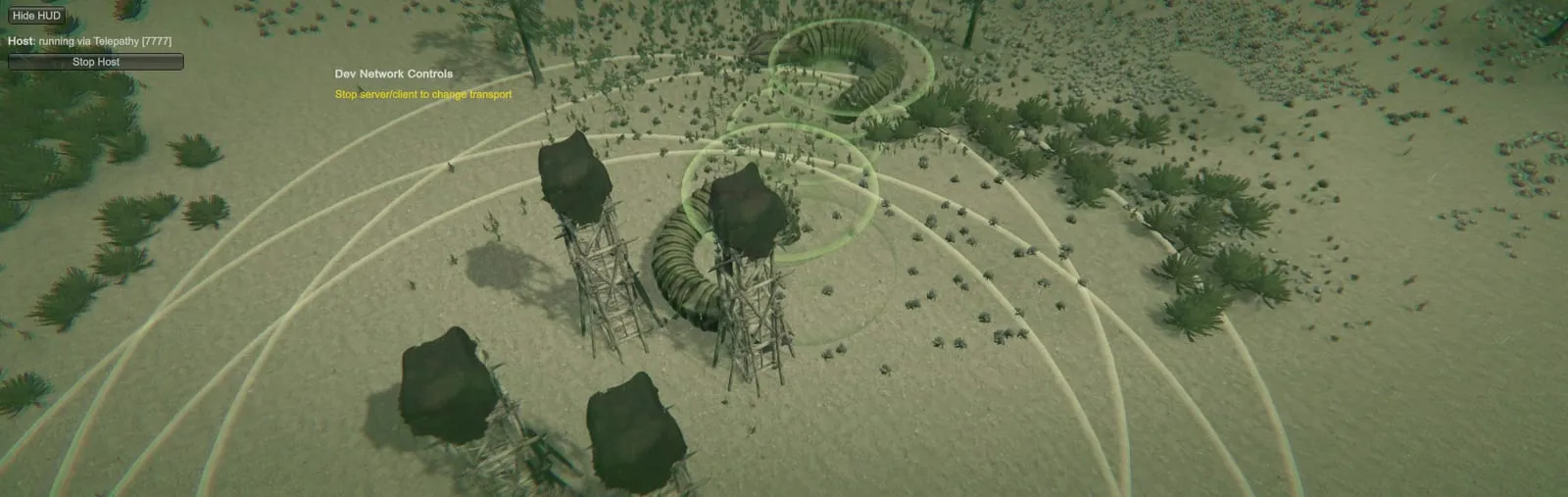
Two maps were lit by two suns at once, and the one casting the shadows was not the one the weather system thought it owned. Fixing that meant choosing a single hour for the whole game — and the choice was made by photographing every map at five of them.
-
Who gets to decide that you won
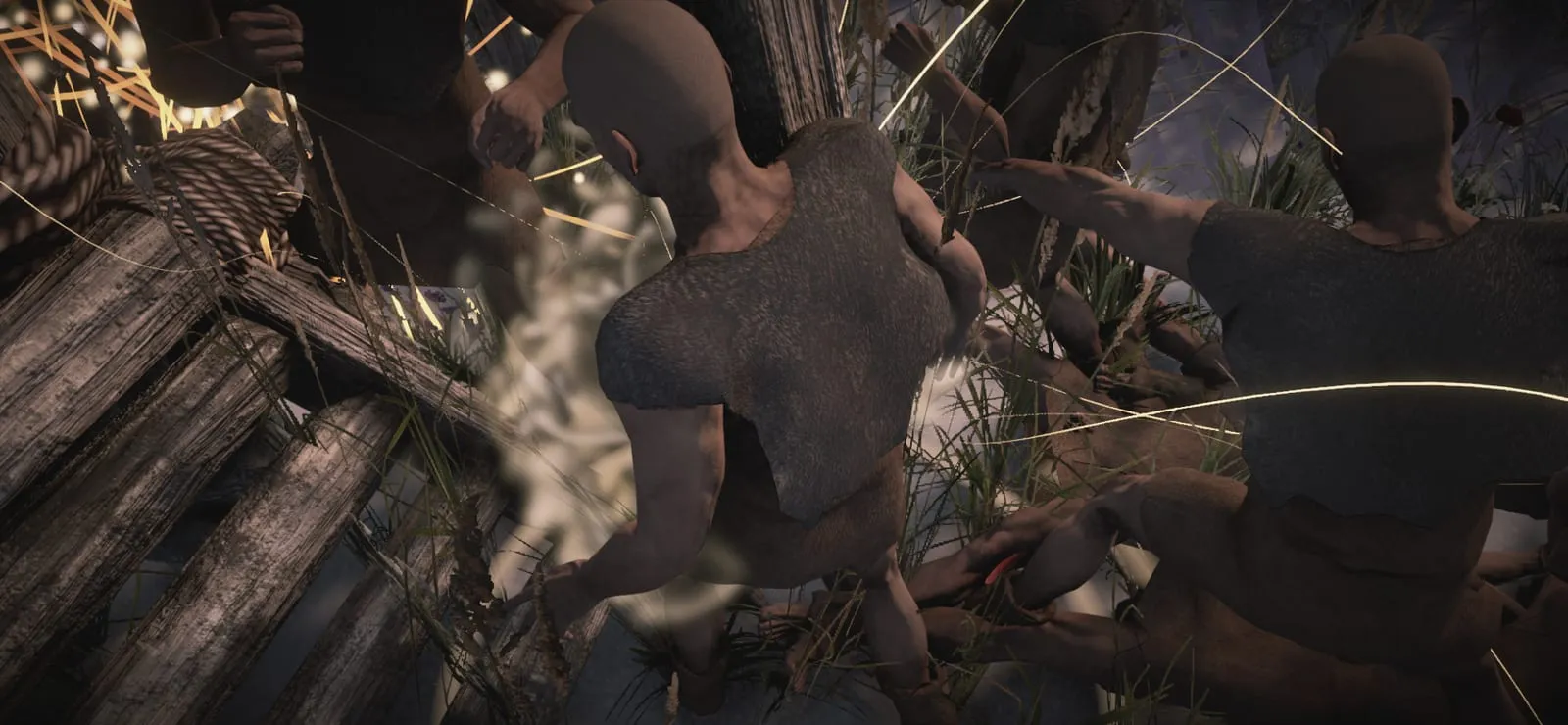
A player joining a match used to win the instant the map finished loading, because "nothing of theirs is left" is trivially true on a client whose actor list is still empty. Moving every victory condition to the server, and what it taught about writing them.
-
Why you cannot click a unit in Stone Tribes
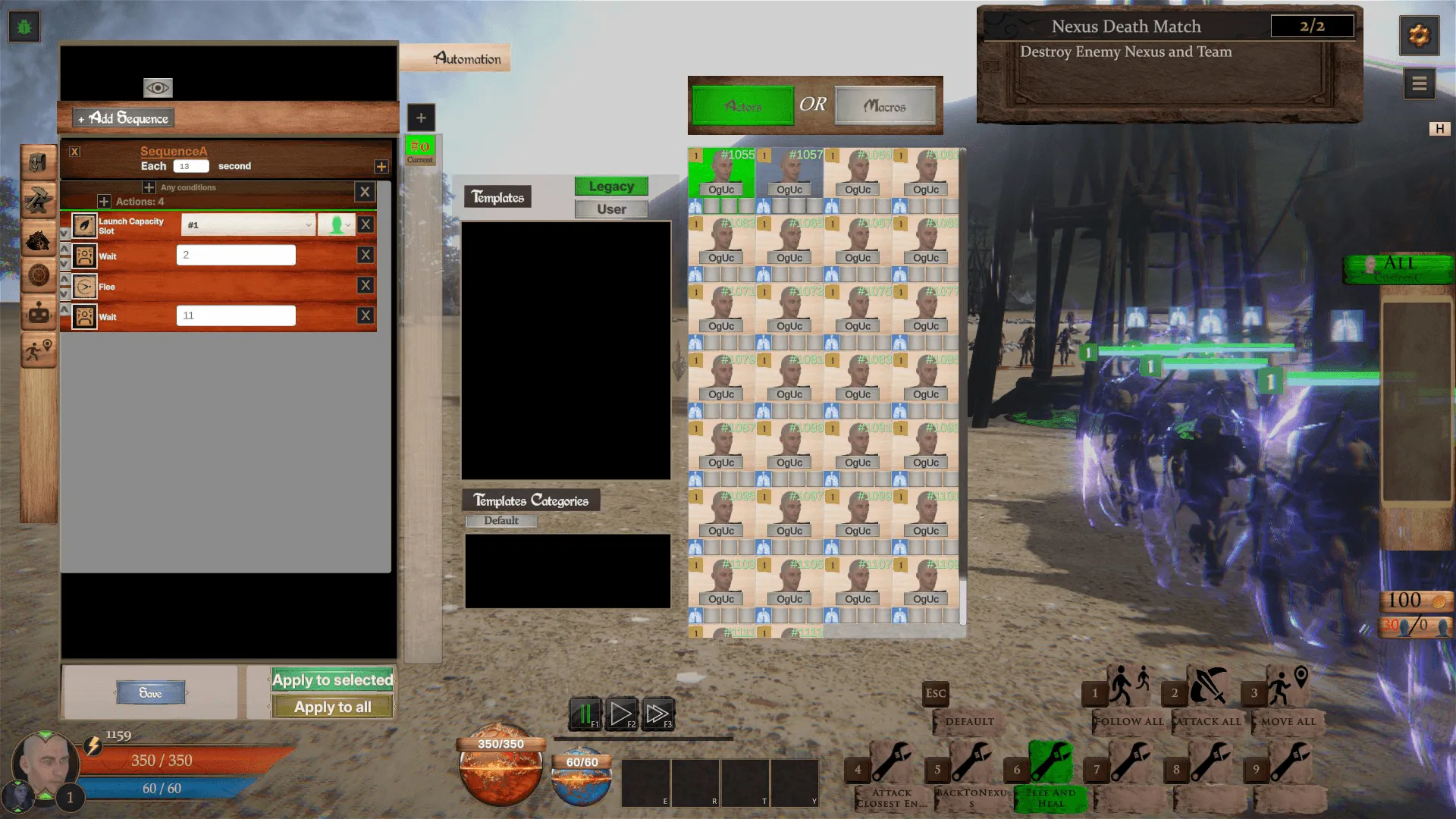
Stone Tribes is a real-time strategy game with no unit control. You write the conditions your tribe fights under, and then you live with them. Here is what that removes, and what it gives back.
-
Rewriting the fog of war: three states, no objects
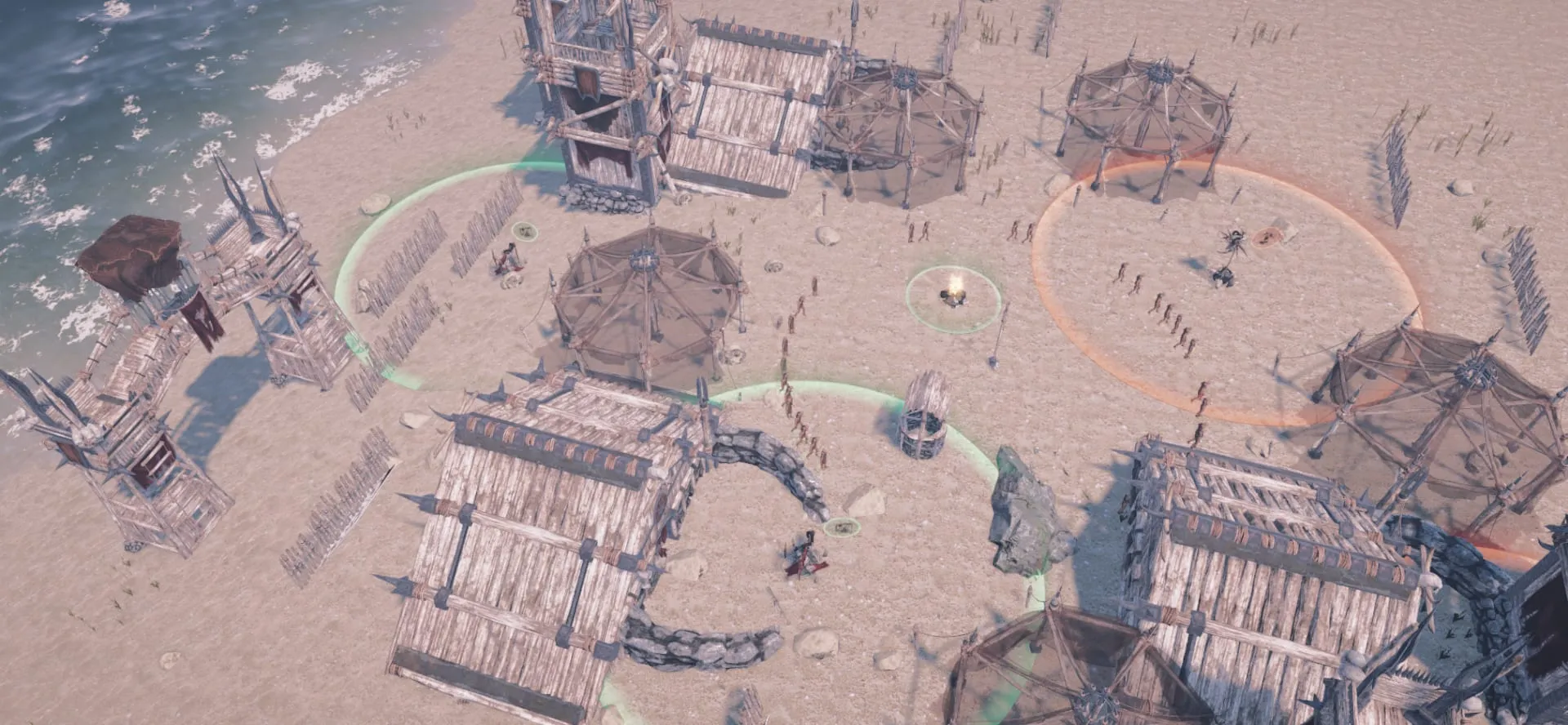
The first version put one object per tile on the map and switched them all on and off every frame. The new one is a grid of stamps and a single screen-sized quad that reads depth. Why the obvious implementation is the expensive one, and what the three states cost.