The game films itself
A JSON timeline drives a real match — start a game, frame the camera, run a macro, wait — while the run writes a log of every beat with its timecode. Screenshots, trailers and visual decisions all come out of the same mechanism.
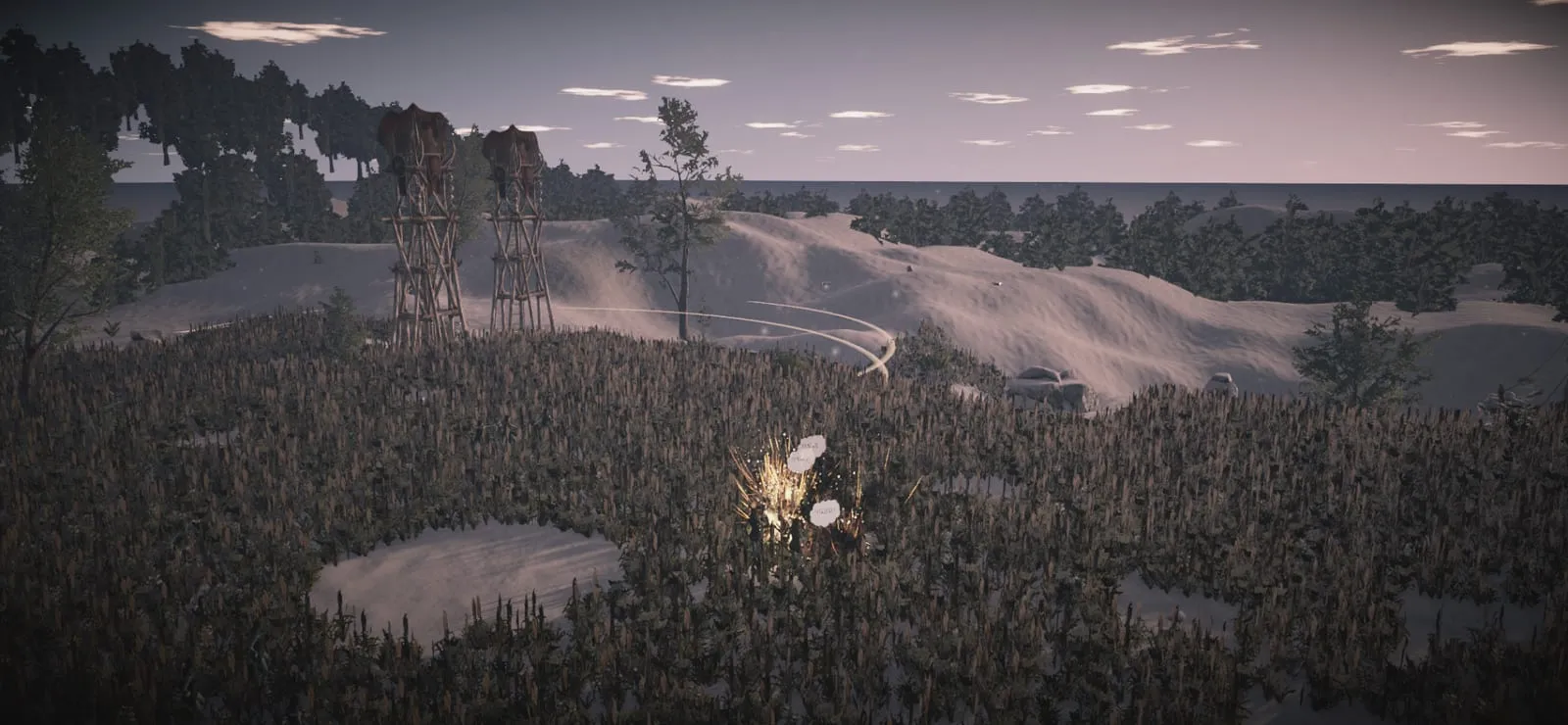
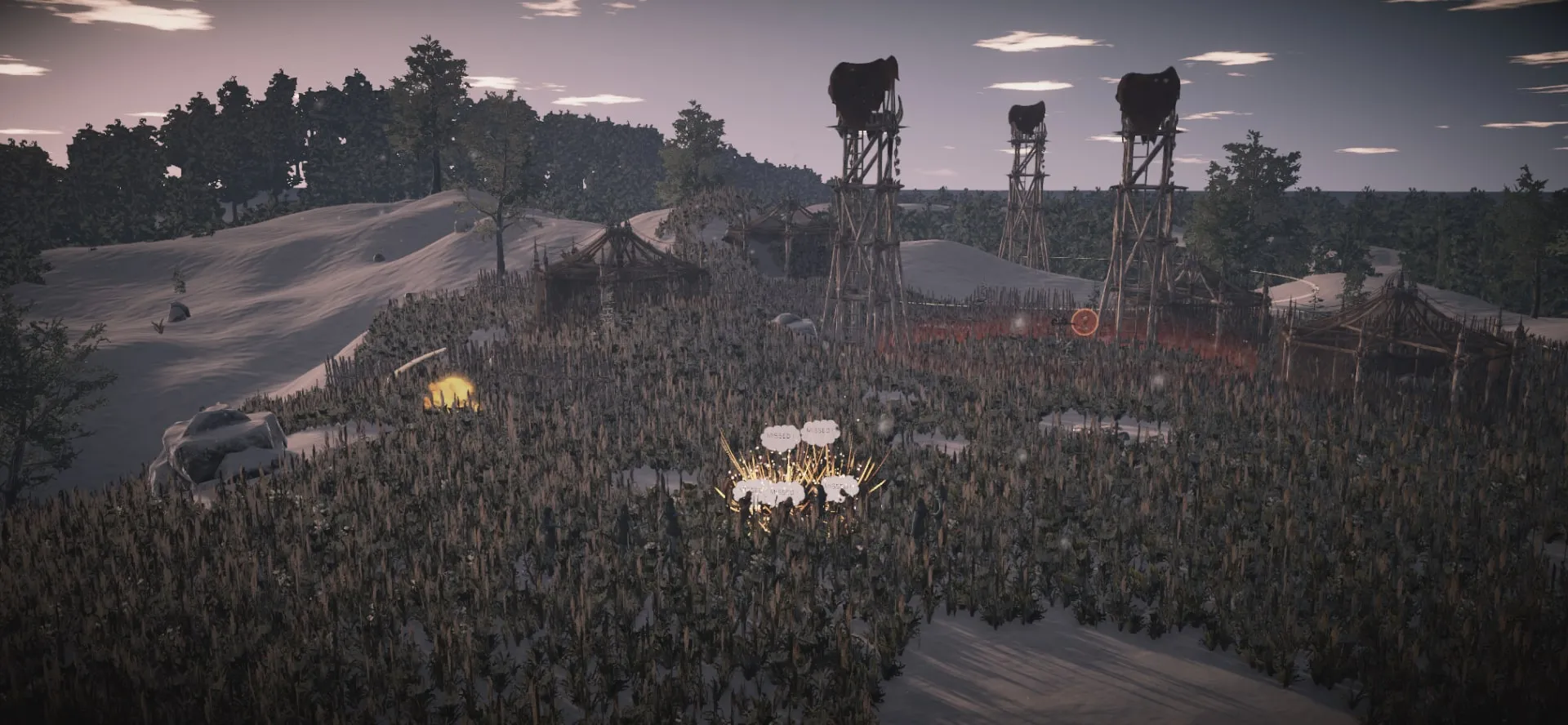
Every screenshot on this site was taken by the game, not by me. So were the comparisons that settled what hour the world is lit at, and the footage behind the trailers. One mechanism does all of it, and building it was the single best hour I have spent on this project.
A match written down
A run is a JSON timeline. Each entry is a beat: start a particular game, set the camera here, focus that actor, run this macro, assign that behaviour, open a panel, wait four seconds, quit.
The game reads it and plays itself. No hands on the keyboard, no hoping the fight does the interesting thing while you are recording, and — this is the part that matters — the same plan replayed tomorrow produces the same shots.
That repeatability is what turns a recording tool into a decision tool. If I change the lighting and replay a plan, the two sets of images differ by exactly one thing.
A log, not a video to scrub
While it plays, the run writes a log: one line per beat, with its timecode and a tag I chose when I wrote the plan.
An edit is then assembled from that log rather than by scrubbing footage looking for the moment something happened. The cut script reads the log and produces the cuts; a capture script drives the screen recorder and the build together. Finding the good three seconds in twenty minutes of footage stops being a job.
Framing rules, because a free camera lies
The commander view has a shape, and a shot that does not respect it shows a game nobody plays. So the plans use the house framing: the camera’s height is a fixed ratio of its distance, and never below eighteen metres. Deviate from that and you get a pretty image of a game that is not the one running on anyone’s screen.
The same honesty problem bit me from the other side. Captures taken from the editor’s docked view came out at 1920 by 608 — a letterbox no player has ever seen — and at that shape the menus overlapped and clipped in ways that simply do not happen in a real window. I spent time fixing layout problems that did not exist. There is now a one-click way to force a true 16:9 before capturing anything, and the rule that came with it is: if you are going to make decisions from an image, first make sure the image is a lie-free copy of the game.
What it is actually for
Three jobs, in increasing order of value.
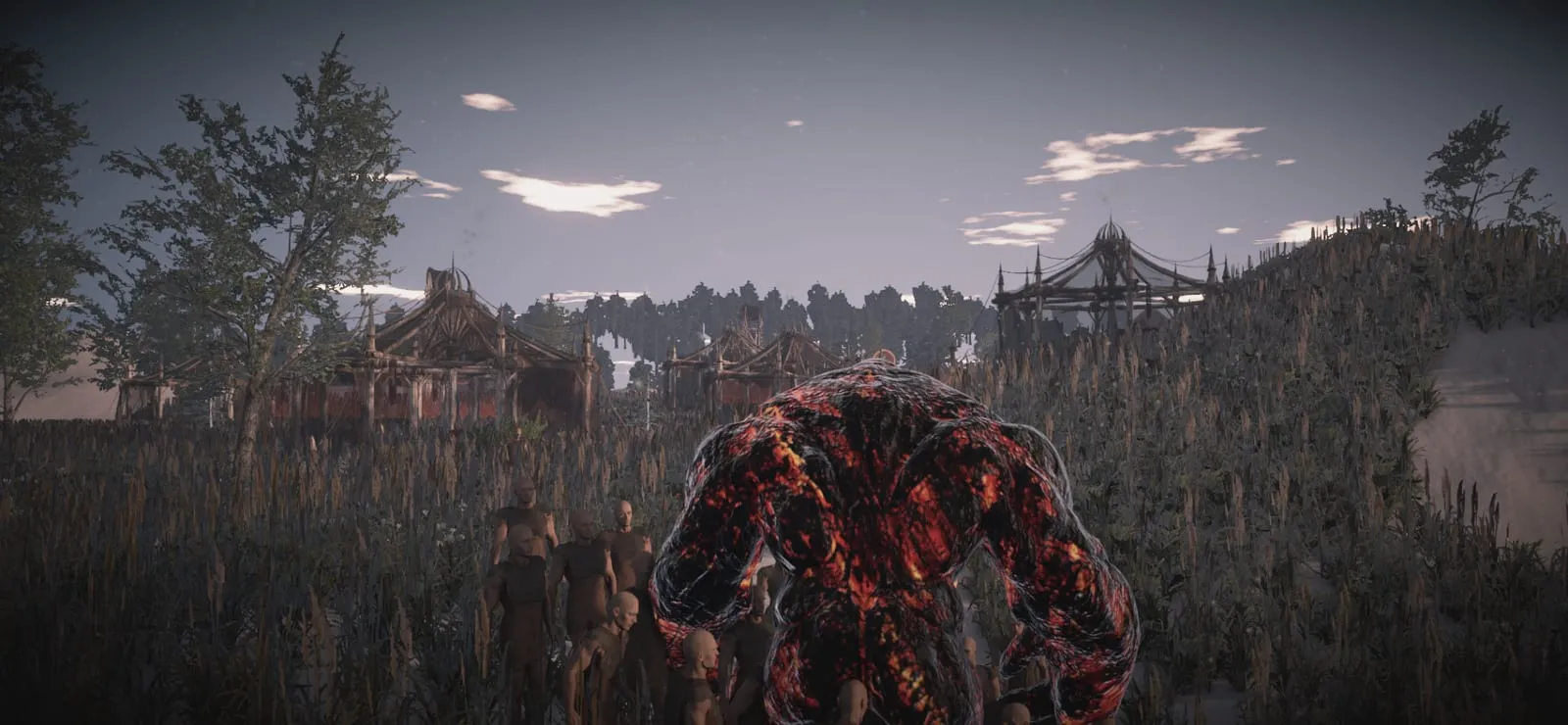
Screenshots. The ones in these articles: a camp with its aura rings, a tower firing, a roster mid-fight. A plan, a run, and a folder of images with meaningful names.
Comparisons. The reason the game is frozen at eight in the morning is a strip of images of the same ground at five different hours, shot with identical framing. Two suns, and the hour the world stopped at is that decision.
Trailers. The same runs, recorded instead of photographed, cut from the log.
A solo project cannot afford to shoot footage by hand every time something changes. It can afford to write down what it wants to see, once, and ask the game to show it again whenever an answer is needed.
Keep reading
-
The bug that only existed for the guest
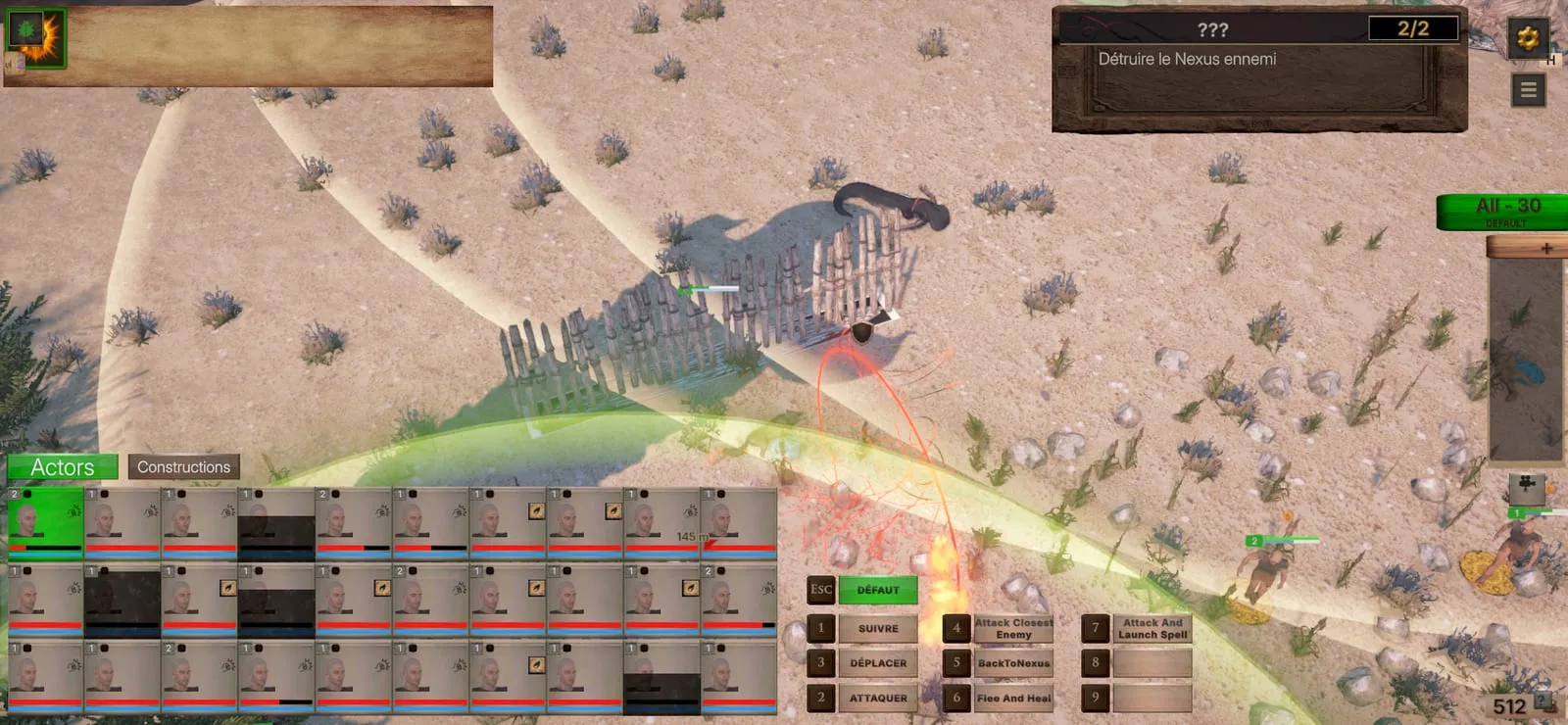
A player reported a PvP session where the cursor died, people died twice and the game kicked them out with nothing in their log. The host saw none of it. Four causes, all client-only, and the one rule that would have prevented all four.
-
The interface was from another game
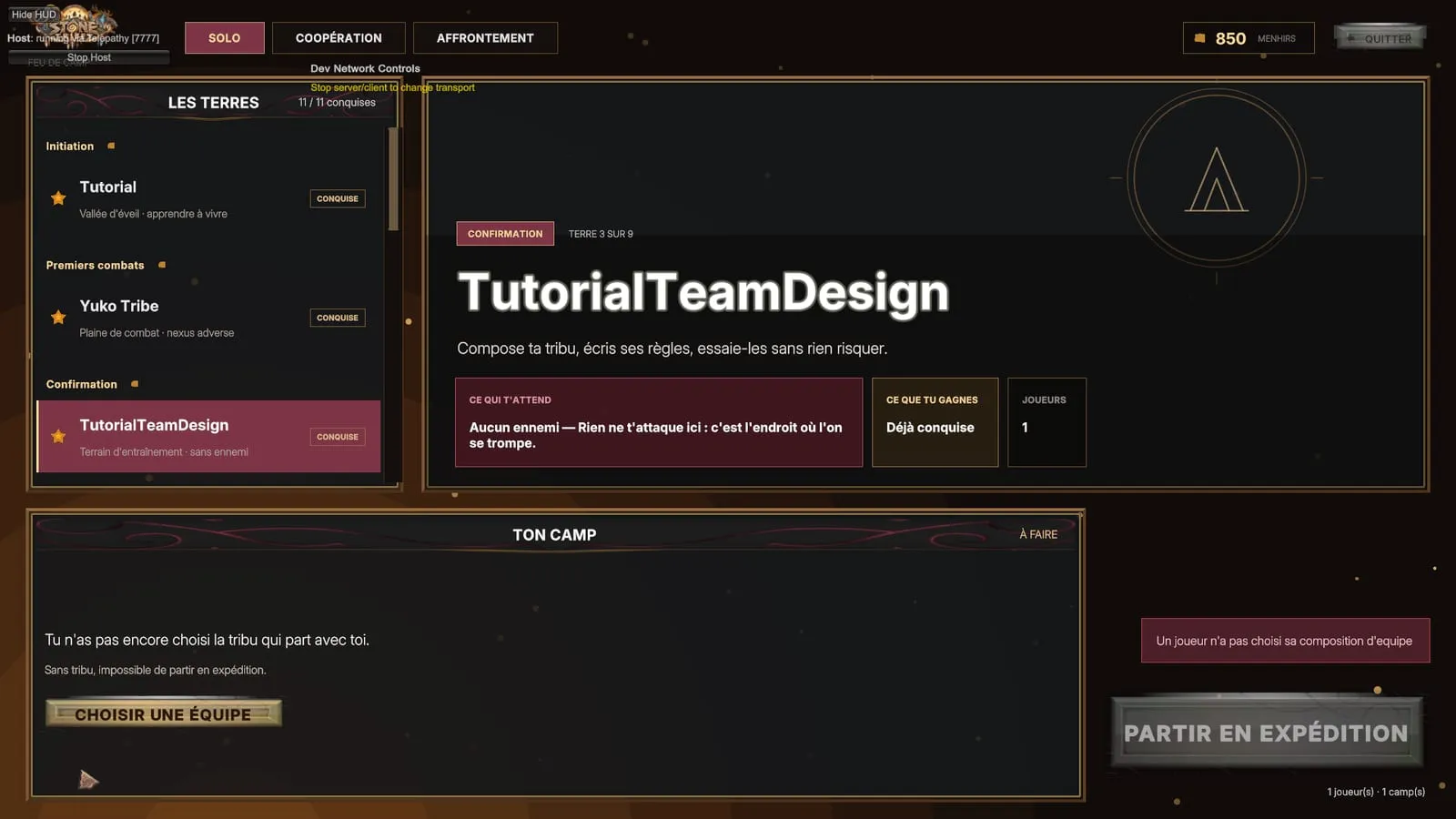
Three panels used an opaque black button sprite as both their background and their list background, so an empty inventory read as a large black slab in a game made of wood and painted hide. Replacing that, and the audit tool that found what was actually on screen.
-
The tower that never upgraded
A defensive building could be levelled up, the window showed the cost, and absolutely nothing happened. The curves were written on a scale that runs to 254 while a building stops at 9 — so every upgrade delivered the first three per cent of what it promised.