What your bag is actually doing
An item does not have to be equipped to count. The whole bag contributes, at a rate set by the weapon in hand — which makes loading one fighter a real strategy, with a real answer: everything falls on the ground when they die.
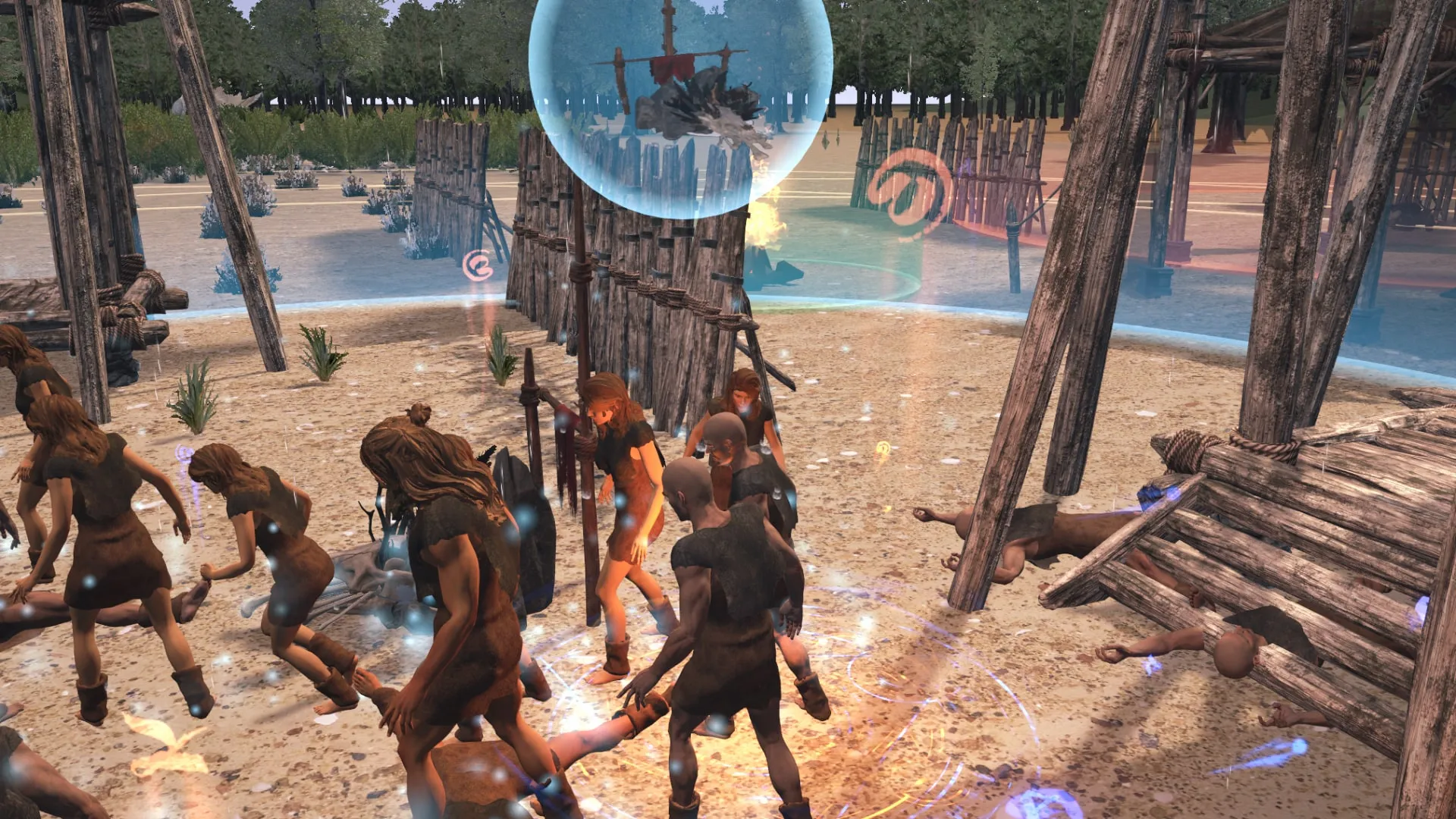
Most players equip the best weapon, equip the best clothes, and leave the rest in a chest. That is a reasonable habit from other games, and here it leaves a lot on the table.
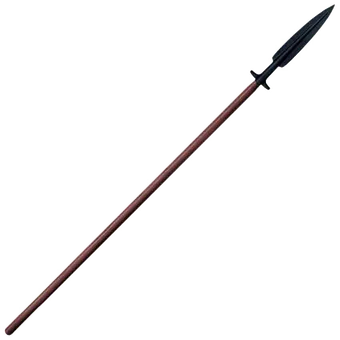
Everything an actor carries counts. The equipped item counts fully; the rest of the bag counts at a rate. Four spare spears in a bag are not dead weight, they are damage.
The rates, and the one thing that sets them
Clothes count fully, equipped or not. Weapons depend on what is currently in the hand:
| In hand | What the rest of the bag is worth |
|---|---|
| A melee weapon | 100 % |
| A bow | 50 % |
Read that table twice, because the trap is in it. The rate comes from the weapon in hand, not from each item in the bag. An axe in hand makes the whole bag count fully — including the bows in it. A bow in hand halves the whole bag, including the axes.
Melee counts quality, range counts quantity
For a melee fighter, the bag adds up the actual damage of each weapon in it. Quality matters: a spear is worth several stone weapons, and upgrading what you carry is as real as upgrading what you hold.
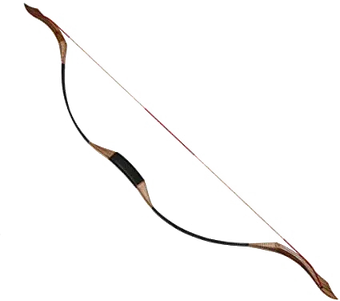
For an archer it works differently: the bonus counts how many other weapons are being carried rather than how good they are. An archer’s damage lives in the arrow, not in the bow, so the bag can only add a flat share per item.
Two details that decide fights
Bare hands are a weapon. Someone who has dropped everything still hits: ten damage at level one, up to thirty, at a reach of two metres. A disarmed tribe is not a harmless tribe, which is worth remembering both ways round.
Some bonuses only count when worn. Clothes and weapons can carry a second block of effects reserved for the item actually equipped or held — a spare copy in the bag gives nothing there. The tooltip separates them under a “When equipped” heading, and that is the line to read before buying a fifth breastplate.
The answer that keeps it fair
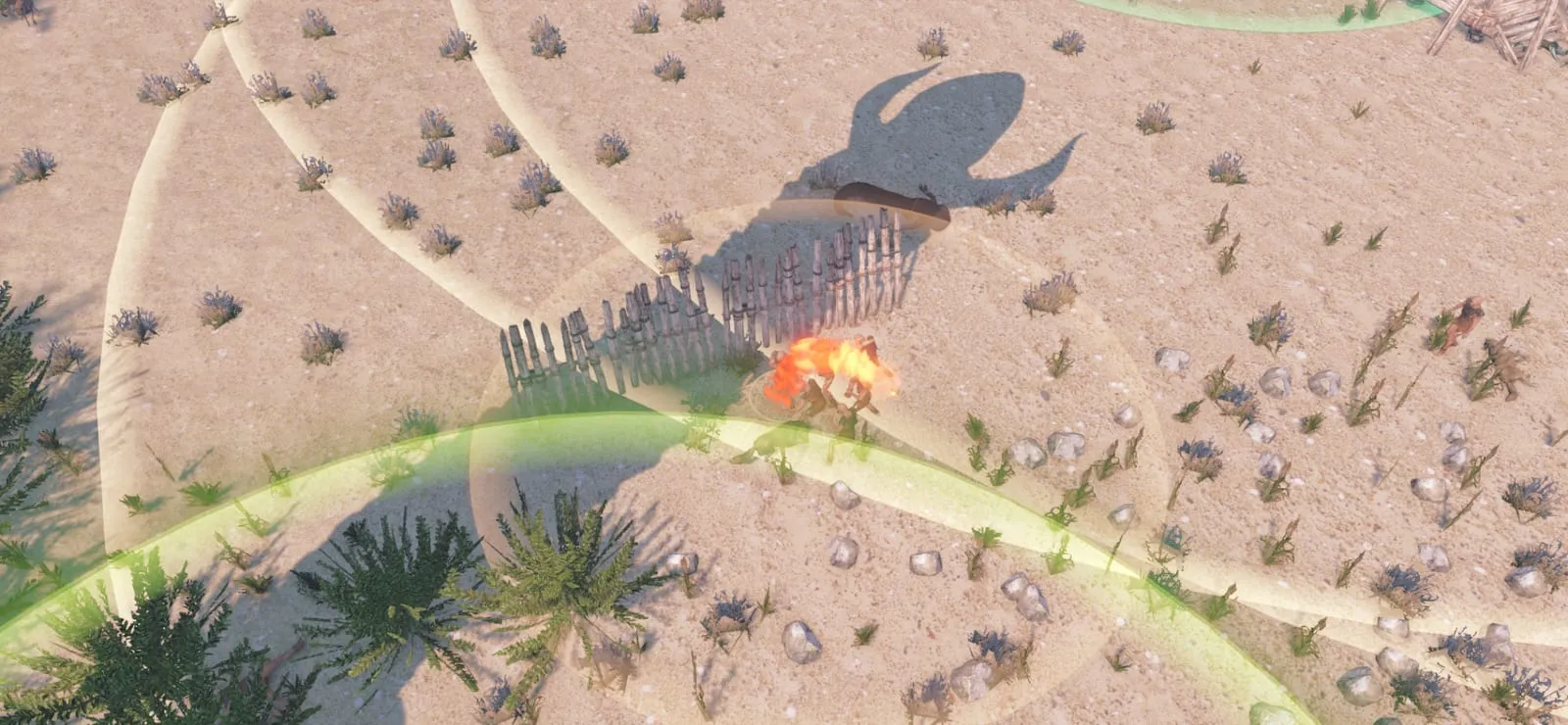
Loading one person with everything is a genuine strategy, and it has a built-in counter: on death, the whole inventory falls on the ground. A fighter carrying four spears is a fighter worth killing twice over — once to remove them, once to take the pile.
Which turns the whole thing into a decision rather than a trick. Spread the bag across your line and nobody is a prize; stack it on one person and you get a champion with a bounty on their head.
What to do in the next run
Give the spares to the front line. They are the ones whose damage is multiplied by what they carry, and the ones already holding the armour. Which classes those are comes down to two numbers.
Do not hand an archer a pile of bows expecting double damage. Give them clothes instead — those count fully, and an archer stays useful exactly as long as they stay alive.
Move the clothes that matter onto the people who actually get hit. A resistance sitting in a chest resists nothing, and the elemental ones can be the difference between a lost fight and an easy one: the elemental wheel.
In the wiki
Keep reading
-
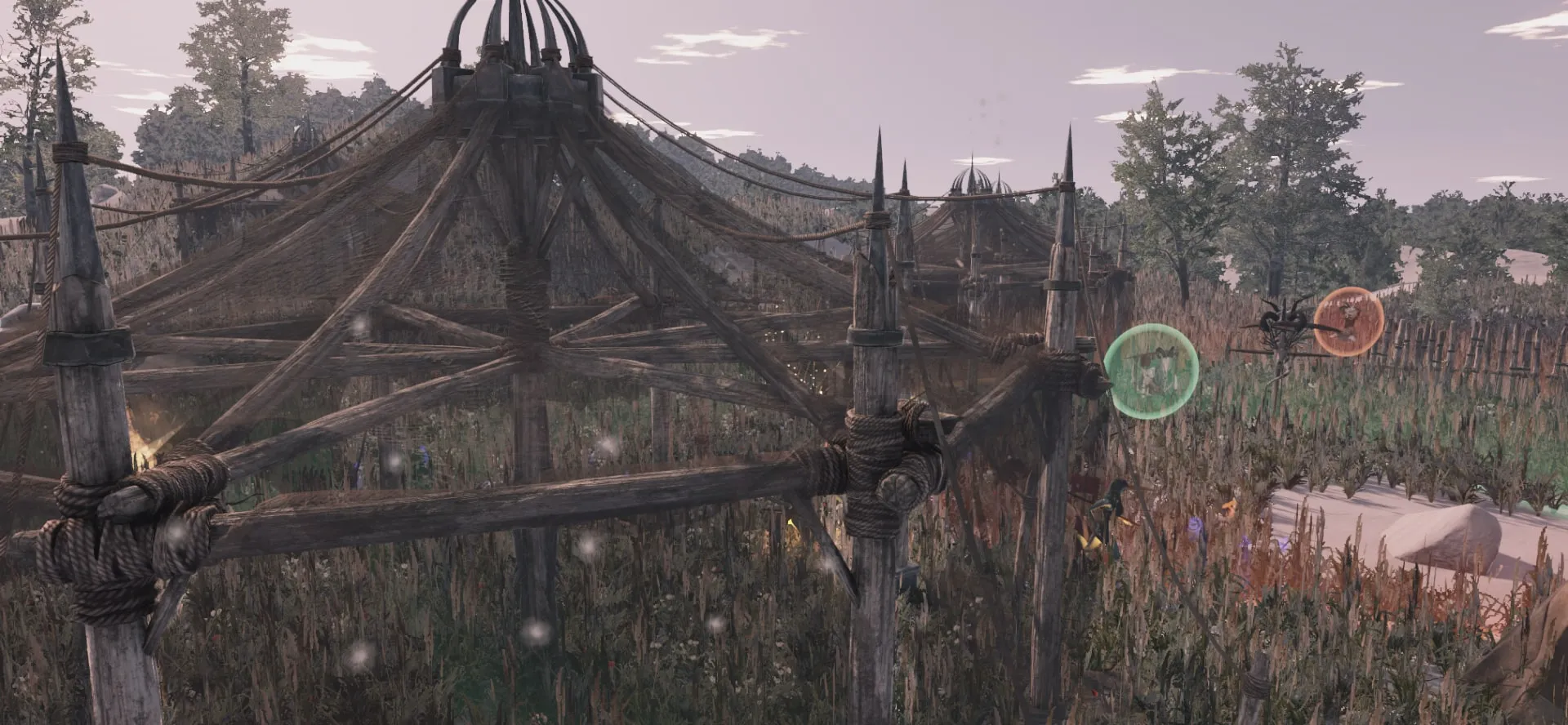
Auras, firing ranges and domes: the three circles on your ground
A circle on the ground can be an aura that buffs whoever stands in it, the reach of something that shoots, or a dome that eats arrows. Three different rules, three different counters — and the one aura whose radius grows stops just short of a bow's range, on purpose.
-
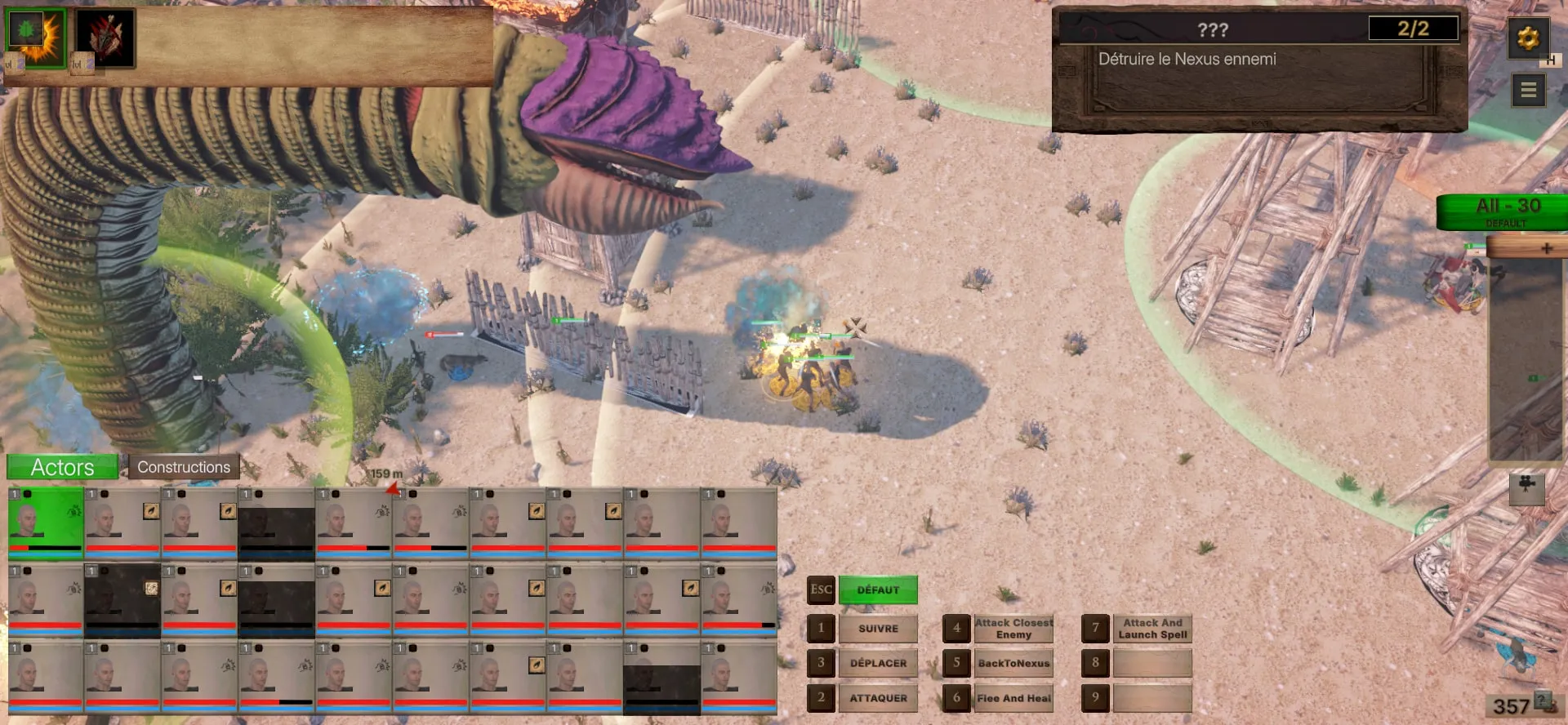
Macros and groups: what is left in your hands
You never click a unit, but two levers stay live during a fight: which behaviour a group is running, and how the tribe is cut into groups. Nine macro keys, six groups, and the three things worth watching instead of clicking.
-
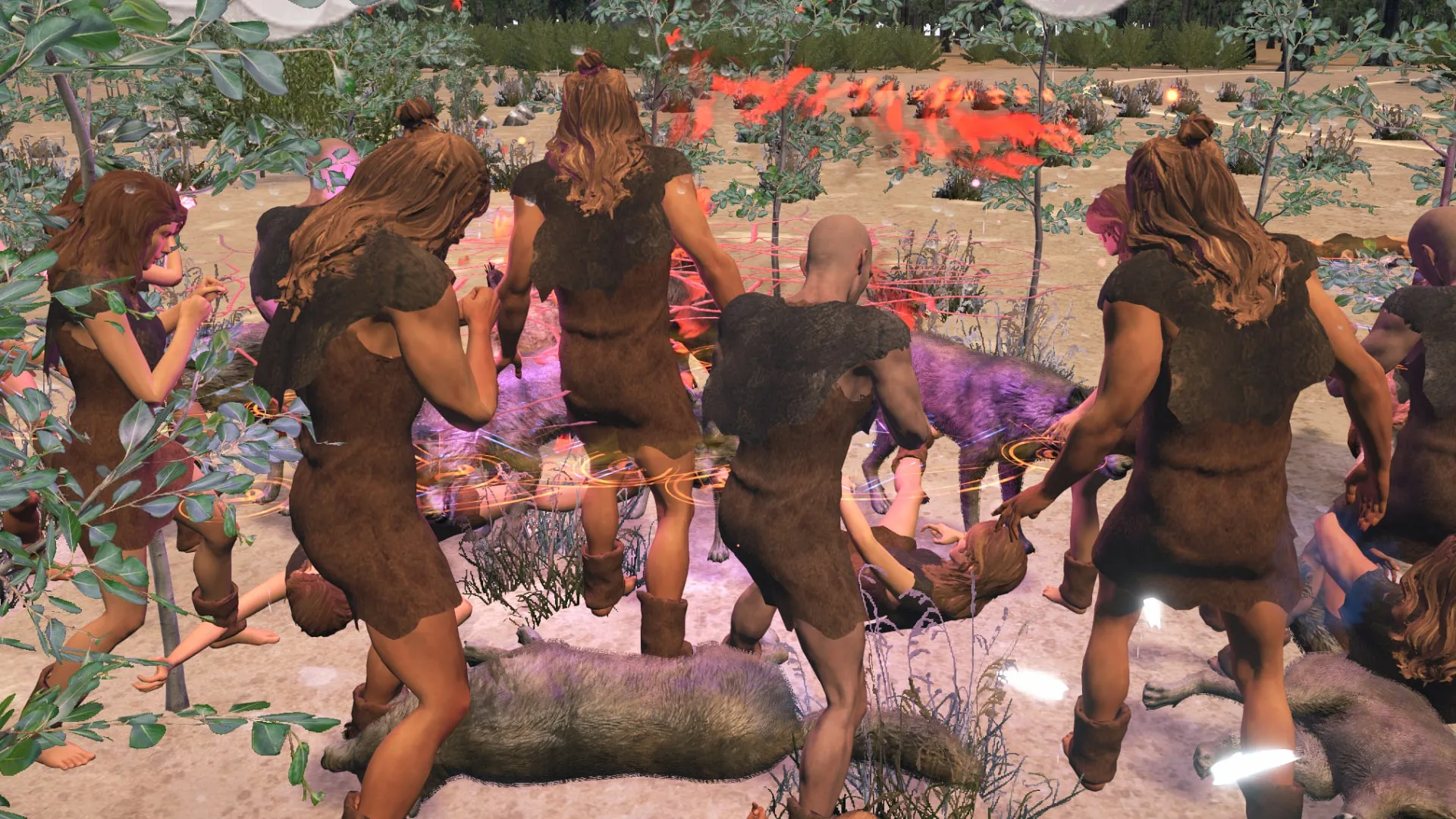
Every strategy has an answer: the counter chain
A melee rush is answered by blinding, blinding is answered by archers, archers are answered by a blind zone, and the zone is answered by a cleanse. The ladder that holds the combat together, and how to climb it one rung above whoever you are playing.