The six classes, and what each one really changes
A warrior strikes about three times harder than an occultist and takes less than half the physical damage of a shaman. Here are the two numbers a fight actually reads, what every level gives, and what the six named characters carry from birth.
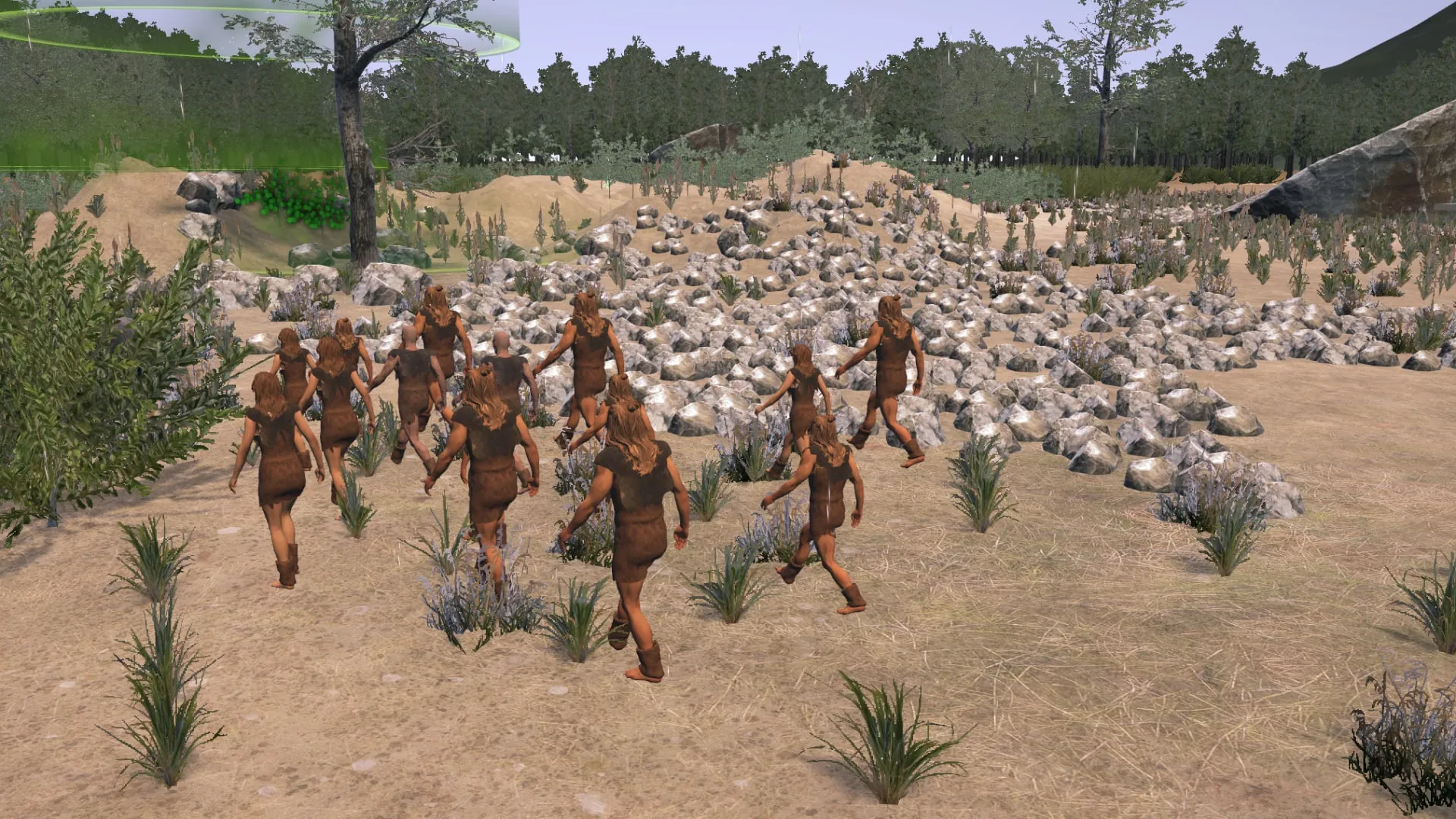
A class in Stone Tribes is not a kit. Nobody is forbidden a spell because of their class — you assign the spells yourself. A class is a starting frame and a direction of growth, and those two things decide more of a fight than the list of spells does.
The two numbers a fight reads
Most of what happens in a melee comes out of two values.
How hard someone hits is their strength multiplied by their agility. It is a product, not a sum, which is why a character who is good at one and poor at the other stays mediocre.
How hard they are to hurt is their armour: strength plus toughness. Incoming physical damage is divided by it, so armour is not a flat subtraction — going from 1.1 to 2.8 does not remove a little damage, it removes most of it.
The six, at the start of a run
These are level-one figures, before weapons, clothes and levelling. The last two columns are the two numbers above.
| Class | Health | Mana | Strike | Armour |
|---|---|---|---|---|
| Warrior | 350 | 60 | 1.65 | 2.80 |
| Shaman | 310 | 90 | 0.55 | 1.10 |
| Hunter | 300 | 80 | 0.56 | 1.50 |
| Craftsman | 280 | 90 | 0.48 | 1.35 |
| Druid | 280 | 90 | 0.48 | 1.35 |
| Occultist | 280 | 90 | 0.48 | 2.10 |
Read the two extremes first. A warrior strikes about three times harder than anyone else and holds nearly three times the armour of a shaman — a shaman who ends up in contact is not “fragile”, he is taking two and a half times the blow a warrior would. The occultist is the surprise of the table: slow and weak in melee, but the second best armoured of the six, which is why he survives a mistake that kills a shaman.
What a level gives
Levels are earned in a run, and they are earned the same way by everyone: every class gains the same health and the same mana per level. What differs is where the attributes go — a warrior leans into strength and toughness, a druid, a shaman and an occultist into mysticism, a hunter into agility.
So levelling does not reshuffle the table above. It widens it. A level-ten warrior is further from a level-ten shaman than the level-one ones are from each other.
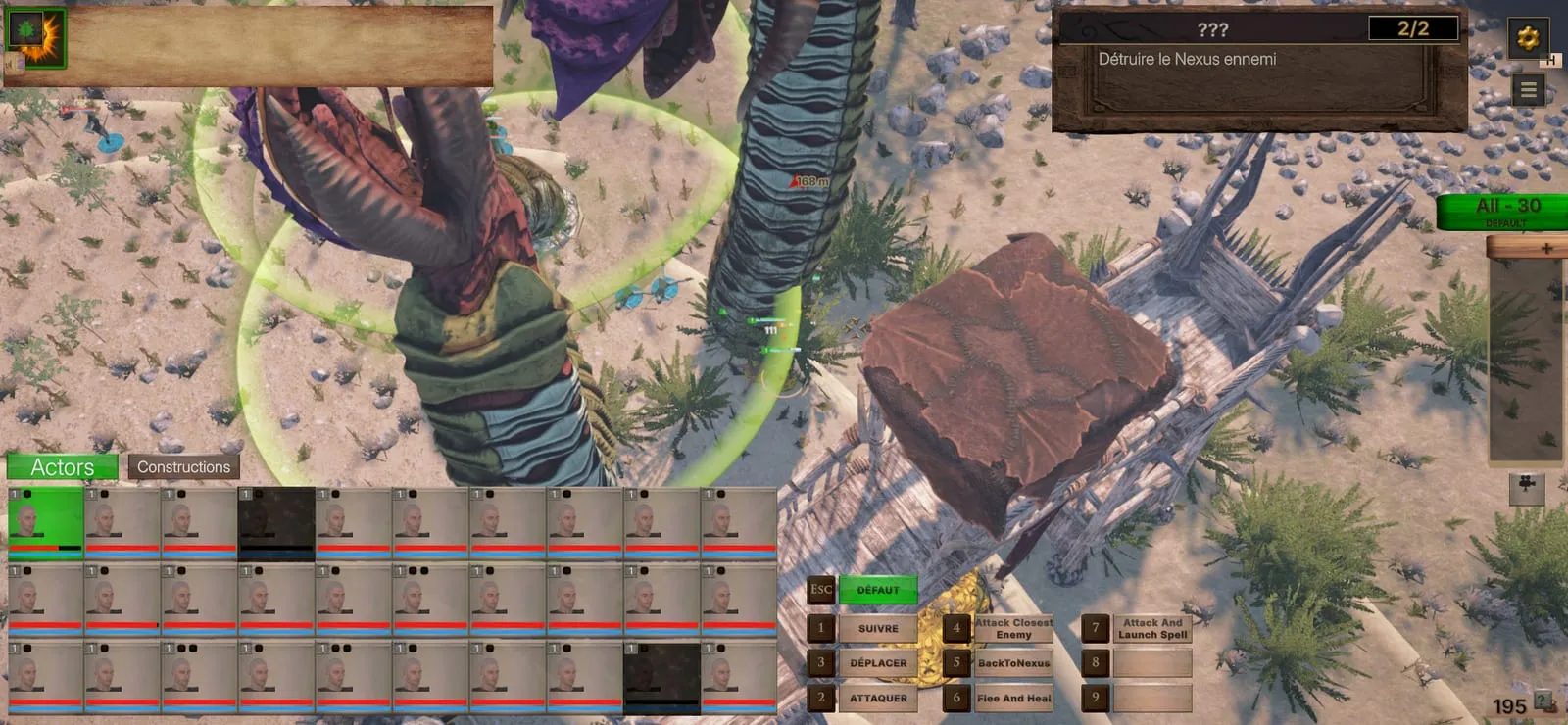
The six characters, and what they are born with
Each class has a named character, and each of them carries an innate passive — not a spell to cast or a buff to maintain, but something permanent they walk around with. Two are yours from the start; the others are bought with menhirs, the currency a run pays out when you win.
| Character | Class | Born with | Price |
|---|---|---|---|
| Og’Uc | Warrior | Stoneborn Hide — armour ×1.35, movement ×0.90 | free |
| Stein | Hunter | Hunter’s Wind — movement ×1.18, arrows taken ×0.80, health ×0.90 | free |
| Kino | Craftsman | Builder’s Grit — health regeneration +2, attack speed ×0.85 | 200 |
| Lazar | Druid | Living Sap — health ×1.25, health regeneration +0.6, movement ×0.95 | 250 |
| U’Jaaow | Shaman | Spirit Tide — mana regeneration +2, armour ×0.85 | 250 |
| Zog | Occultist | Umbral Pact — attack speed ×1.25, magic resistance ×1.25, armour ×0.72 | 300 |
Every one of them is a trade, on purpose. Og’Uc is harder to kill and slower to arrive. Stein is the one character who shrugs off arrows, and the one who dies fastest to a club. Zog swings faster and resists magic better than anyone, and loses nearly a third of his armour for it — a glass knife.
Composing a tribe
Put the armour in front. Not as a figure of speech: whoever arrives first eats the first exchange, and the difference between 2.8 and 1.1 armour is the difference between losing nobody and losing two people in the first ten seconds.
Keep the thin ones out of contact. This is the part people get wrong, because there is no unit to pull back with a click. A shaman stays alive because of the rule you wrote for him before the fight — flee below a threshold, hold at a distance, follow the group rather than the enemy. Your first behaviour is the place to start.
Do not buy the whole roster. The free pair already covers the two ends of the table. Buy the character whose passive answers the problem you keep losing to: Stein’s eighty per cent against an enemy that shoots, Lazar’s extra quarter of health against an enemy that grinds, Zog when a fight is decided by casting first.
And remember the other wheel. Stats decide the melee; elements decide the magic, and they are a separate ladder with far bigger multipliers. The elemental wheel is the one to learn next.
In the wiki

Keep reading
-
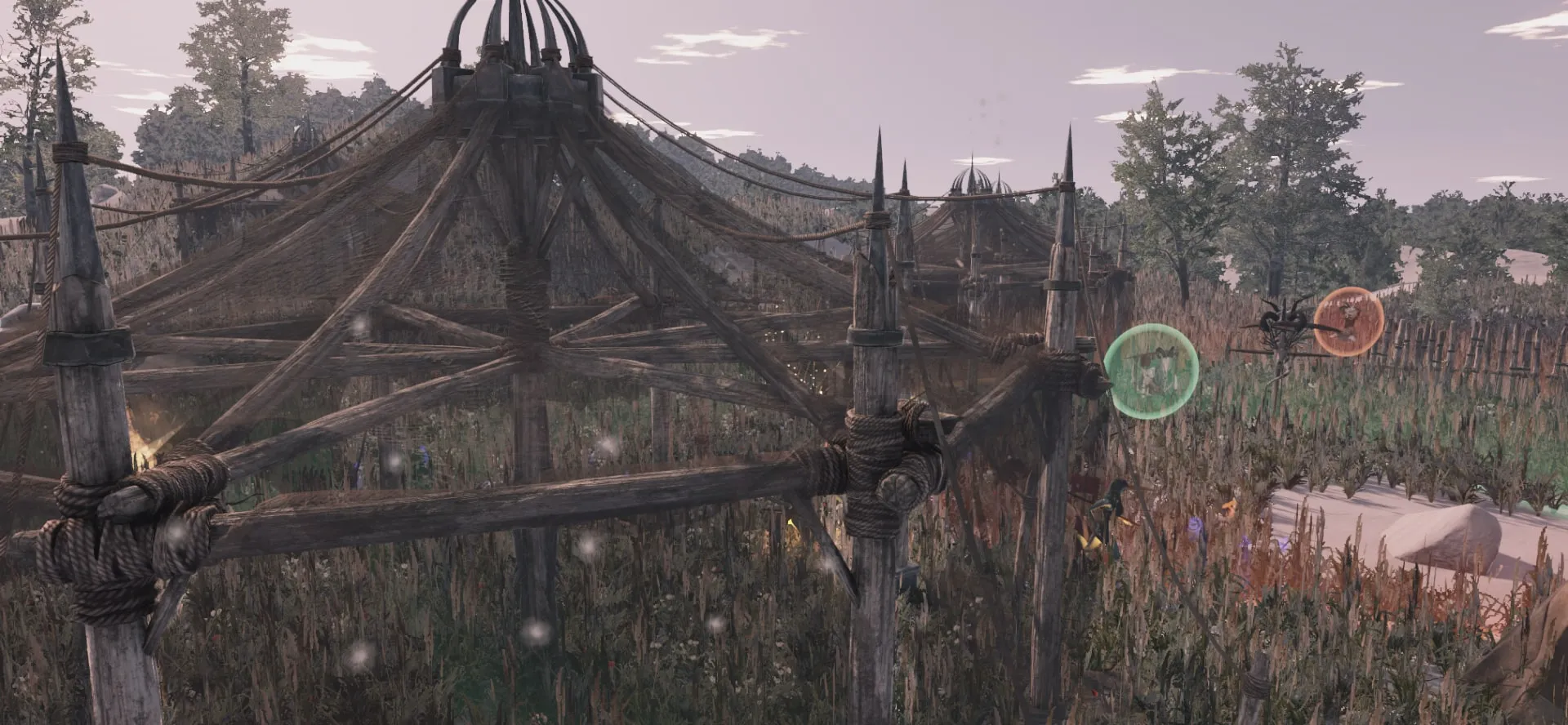
Auras, firing ranges and domes: the three circles on your ground
A circle on the ground can be an aura that buffs whoever stands in it, the reach of something that shoots, or a dome that eats arrows. Three different rules, three different counters — and the one aura whose radius grows stops just short of a bow's range, on purpose.
-
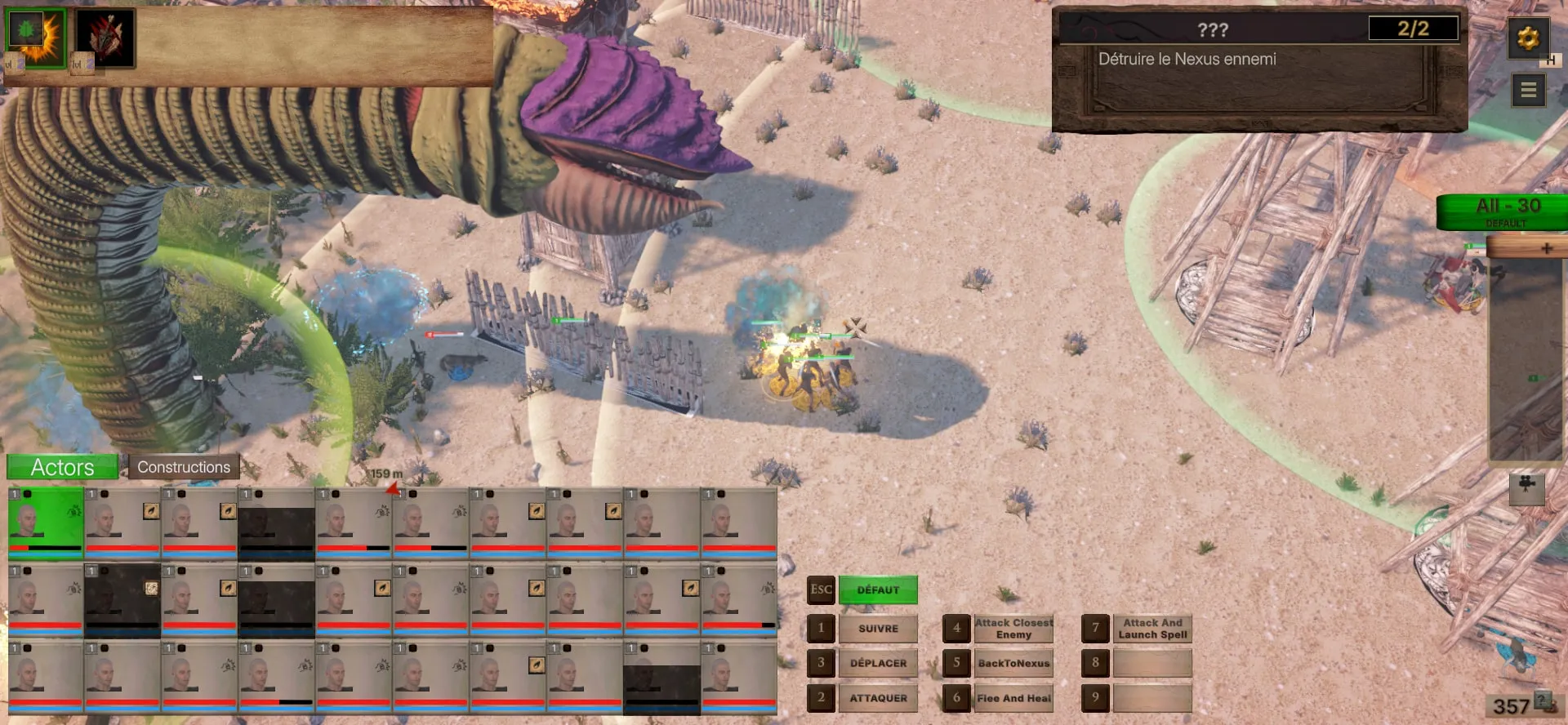
Macros and groups: what is left in your hands
You never click a unit, but two levers stay live during a fight: which behaviour a group is running, and how the tribe is cut into groups. Nine macro keys, six groups, and the three things worth watching instead of clicking.
-
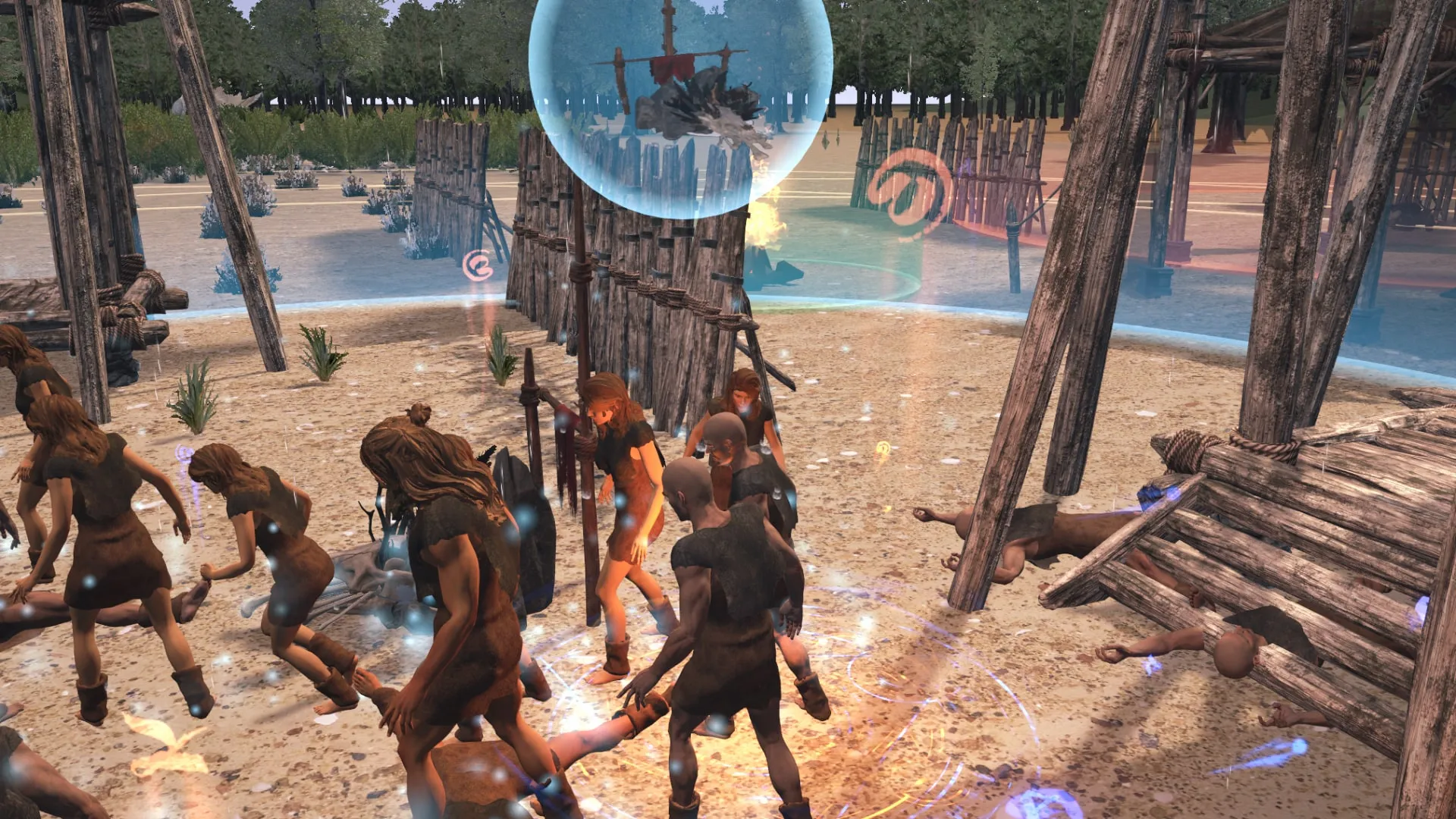
What your bag is actually doing
An item does not have to be equipped to count. The whole bag contributes, at a rate set by the weapon in hand — which makes loading one fighter a real strategy, with a real answer: everything falls on the ground when they die.