Flesh that forgets, stone that remembers too much
There are no species in this world, only three ways of being alive, depending on which of the Three First runs strongest in a creature's sap. The flesh-born, the nameless beasts, the woken stone — and the five tribes that argue about which one is right.
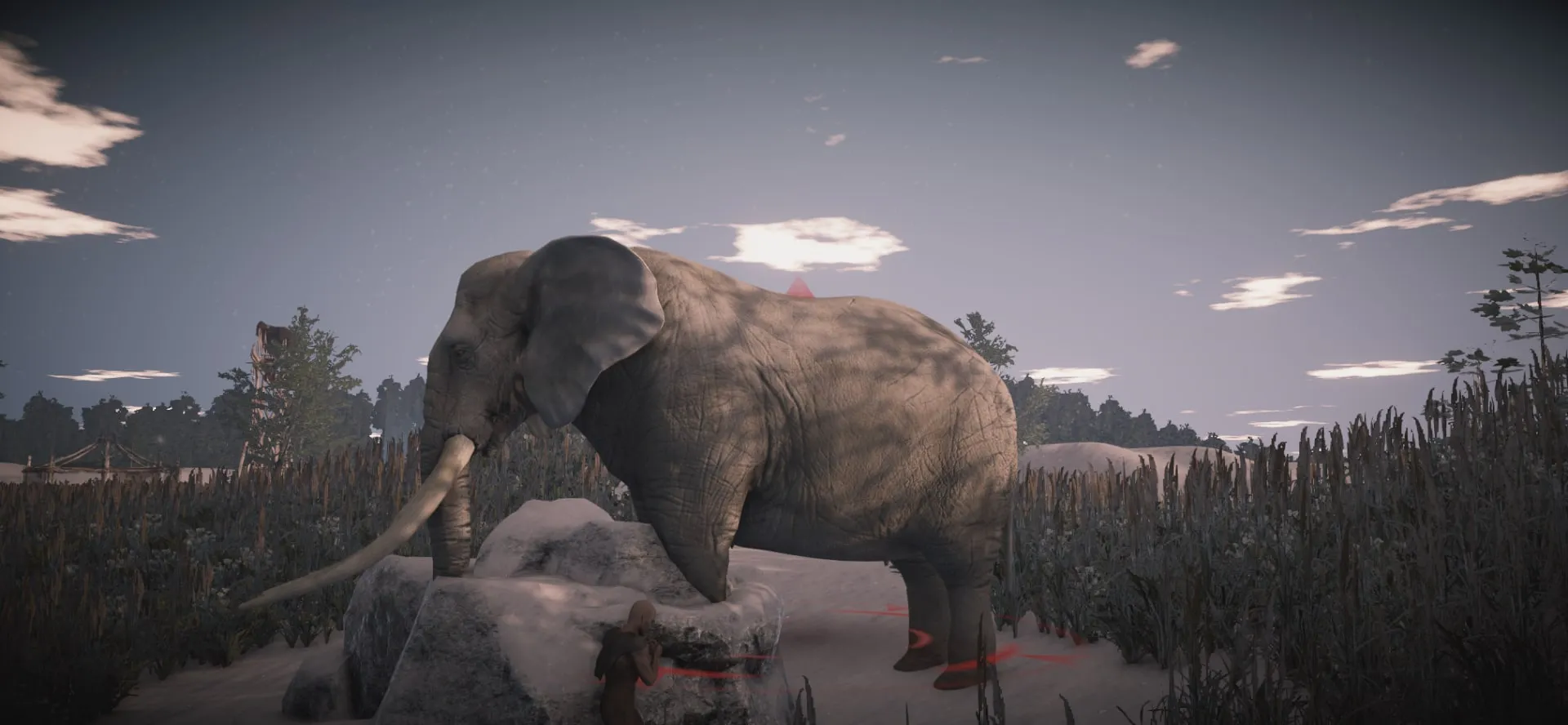
There is no better race. There is flesh that forgets, the beast that does not know, and the stone that remembers too much.
The world does not sort its creatures into species. It sorts them by which of the Three First — Yül, Drenn, Skarn — runs strongest in their sap. That gives three ways of being alive, and everything that walks, guards or hunts is one of them.
The Flesh-born
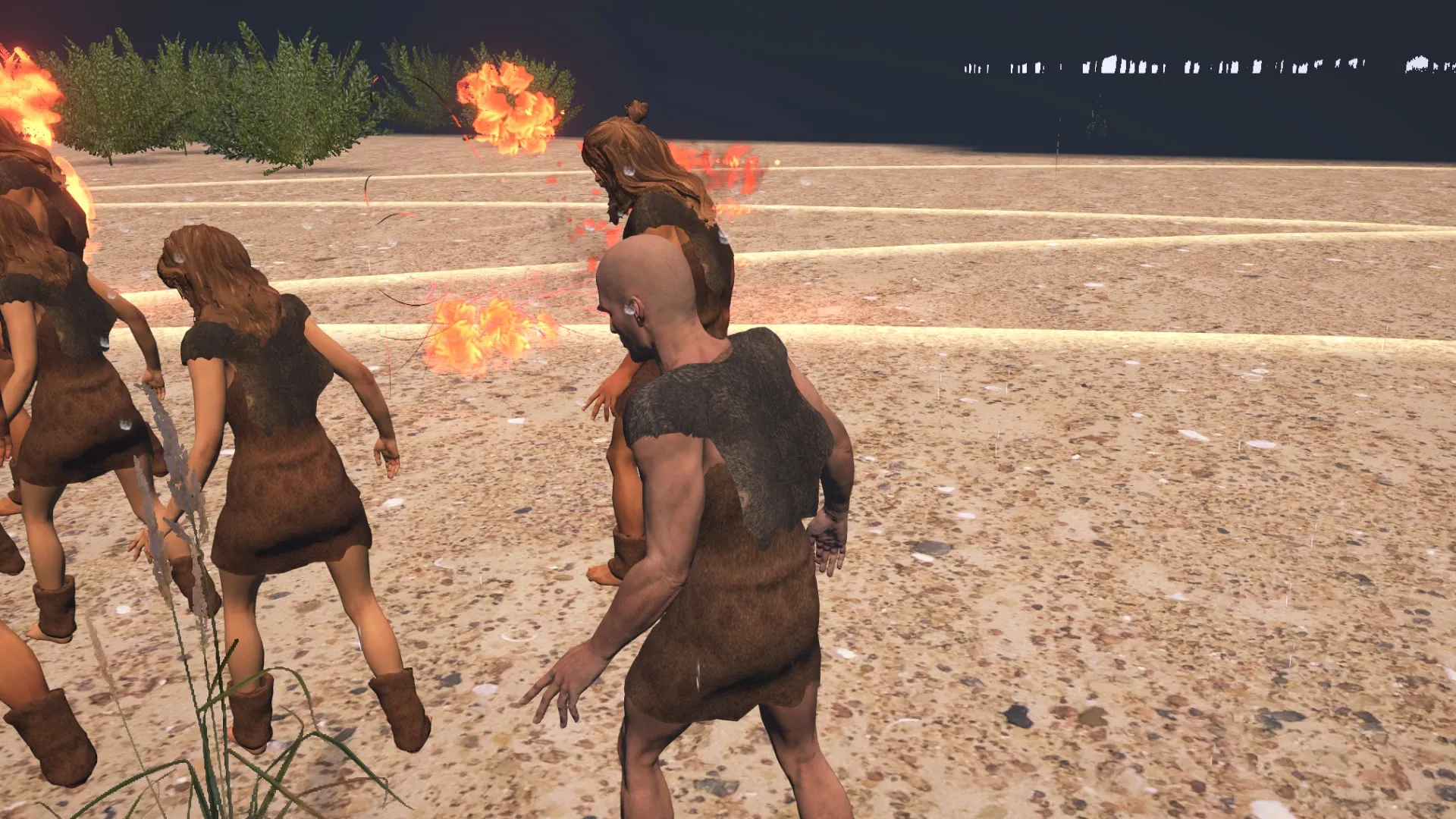
Children of Yül. They change, they learn, they forget, they make things, they hold weapons. These are the peoples of the tribes, the ones a Voice guides, the ones who argue and carry grudges and bury their dead.
They fear forgetting more than they fear dying. That single fear explains the totems: a tribe does not raise stone to be safe, it raises stone so that someone will still be there to remember it.
The Beasts — the Nameless
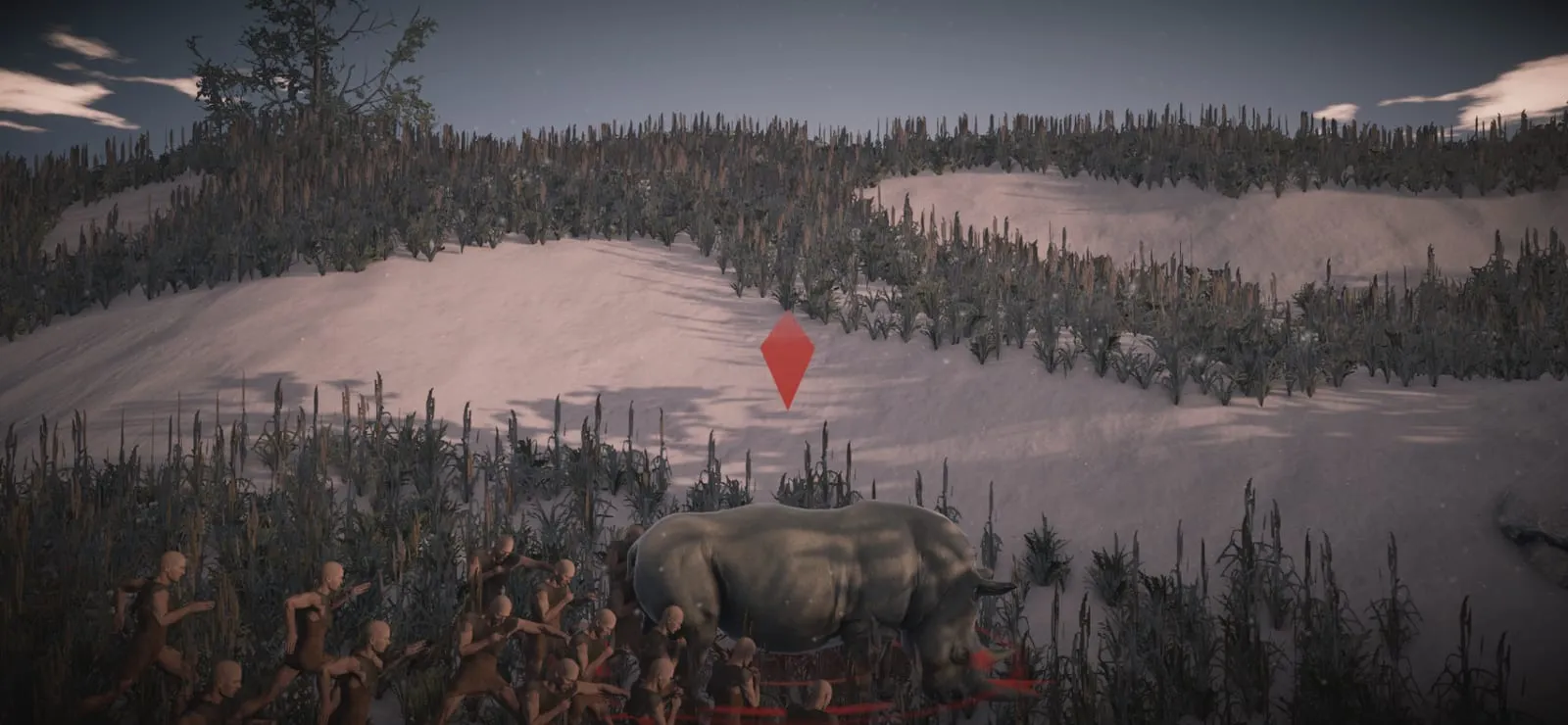
Raw children of Yül, who were given no name and therefore no memory. Boars, big cats, things that come out of the mist. They do not plot and they do not hate. They follow their sap, which makes them readable and, at the same time, impossible to predict.
Three truths govern every beast.
It does not remember. A beast holds no grudge and owes you nothing for yesterday’s kindness. It answers the moment it is in: hunger, fear, territory.
It leans toward one of the Three. Yül teems — the herds, the packs, the boar whose hide is thick and whose charge goes straight. Drenn endures — the scale-backed things that fold up and become rock, the sleepers so old they are mistaken for hills. Skarn erases — the mist-prowlers whose bite does not bleed but takes something from you, and the faceless ones that borrow the shape of a recent corpse.
Naming it changes it. To give a beast a name is to lend it a little memory, and that is the first gesture of taming. A named beast slowly begins to become almost flesh-born. The Snaxx built an entire tribe on that art, and the first tribe of all, the story goes, began with a wolf that was named and answered.
The Stone-Woken
Splinters of Drenn with a serving spirit bound inside the rock. Slow, or not moving at all, but with a memory that never fails: they guard, they produce, they heal, they watch — always, without tiring, without forgetting.
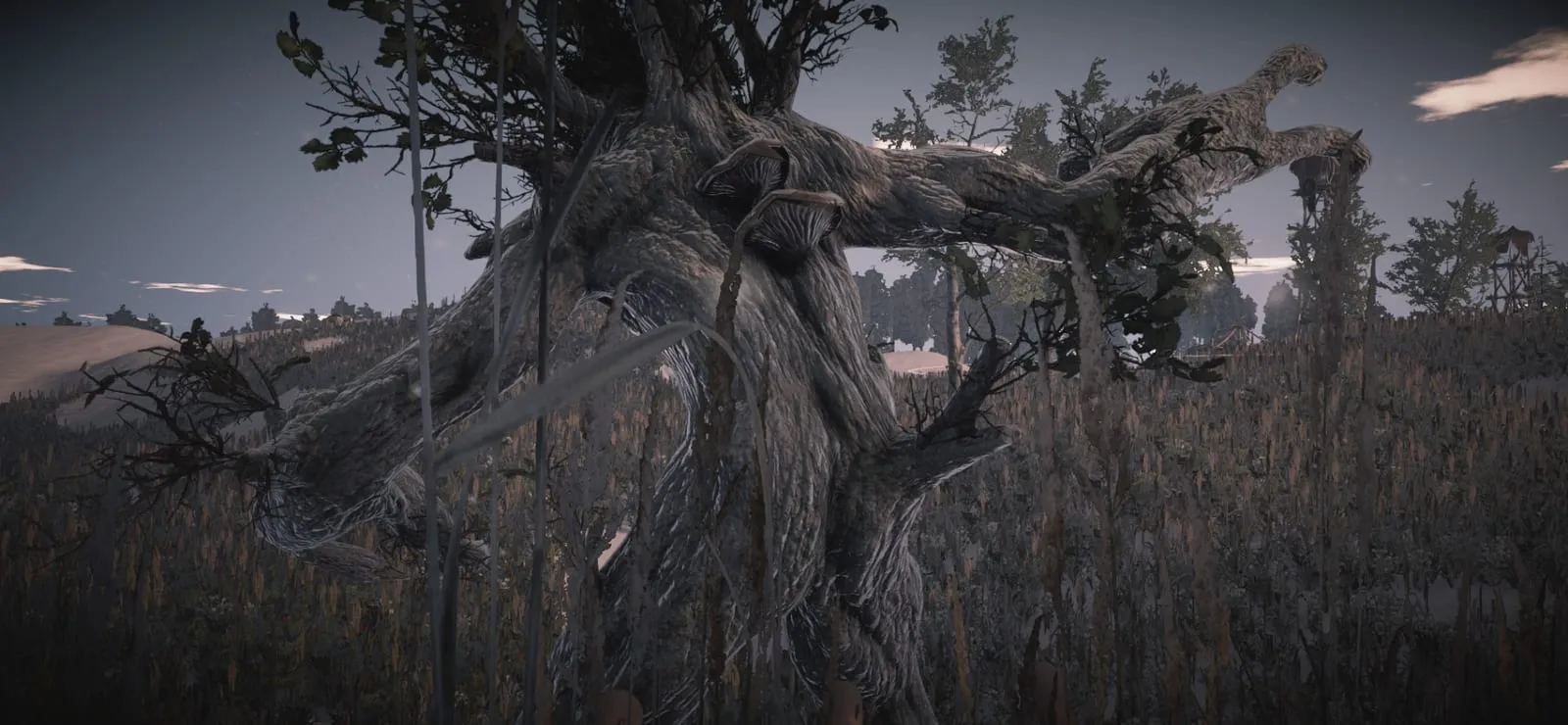
These are the towers, the walls, the lesser totems. And they are the half of the world’s name that people skip over. Stone Tribes says the deep truth plainly: a tribe is only as strong as the stone it has woken, because stone is what holds when flesh falls.
Five tribes, five answers
A lineage is a family of blood and of gestures: a founding totem, its flesh-born, its woken stone, and the Voice that holds them all. Choosing one is choosing which dead you honour and which gestures you inherit.
The Yuko — the way of patience. They teach that a gesture well carved is worth a thousand shouted orders. They build slowly, they teach their hands to work without being watched, and they last. Masters of the rite of gestures. Their emblem is the root under the stone.
The Alnn — the root-people. Settled, totem-builders, close to Drenn. They take root and do not yield a foot of ground. Slow to war, terrible in a siege.
The Vurf — the mist-walkers. Nomads of the thresholds, who pass too close to Skarn. They open the ways between lands, raid, and vanish into the fog. Feared as sorcerers of forgetting, and valued as ferrymen — useful to everyone, loved by nobody.
The Snaxx — the quick-teeth. Hunters and tamers, chaotic children of Yül. They name beasts to make allies of them. Fast, aggressive, with little patience for totems.
The Nernn — the Tari. A tribe cursed by a land whose sap ran dry. To survive, some drank the sap of the living; many have begun to Still — half stone, half despair. The natural antagonists of everyone, including themselves.
What they are really arguing about
Drenn against Yül: endure, or change? The Alnn, who are stone, despise the Snaxx, who are wild flesh, and the contempt runs both ways. Over all of it hangs Skarn, and the fault of the Tari — stolen sap and the Stilled who come from it threaten every tribe at once, which is the only thing that has ever made them stand together.
And above each of them, watching from the other side of a totem, something that used to be somebody’s grandfather: you are not a general, you are an ancestor.
Keep reading
-
Sap and mana: magic is a conversation, not a resource
The blue bar is condensed Sap, the blood of a living world. Casting time is how long the world takes to listen, a cooldown is the world keeping quiet, and a curse is a debt owed to the mist. The fiction under the magic system.
-
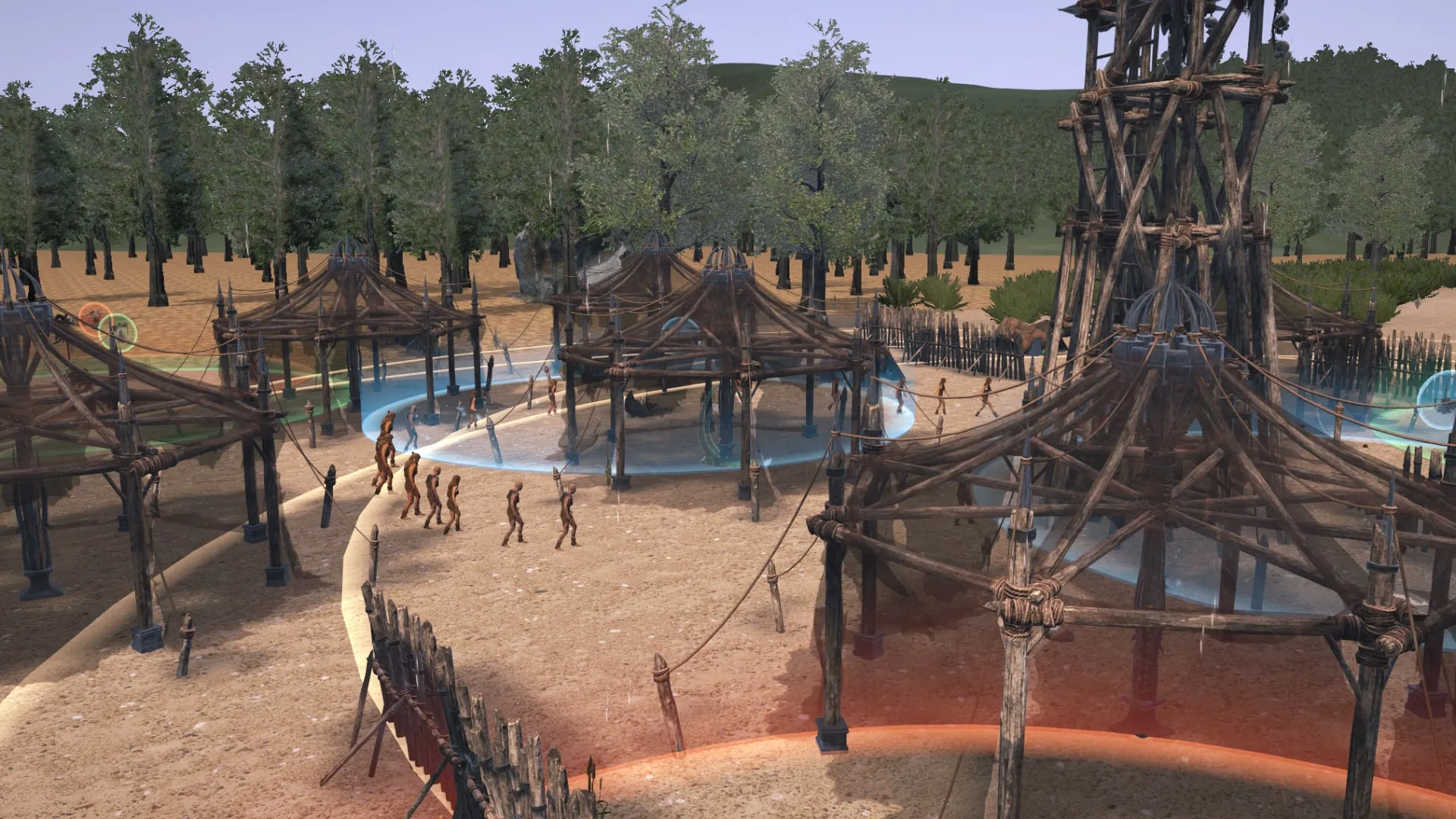
You are not a general. You are an ancestor.
The tribe does not obey orders, it obeys its dead. One idea — the player is an ancestral spirit held to the world by a totem — explains the camera, the automations, the spawn point and the defeat condition. The pillar the whole world is built on.
-
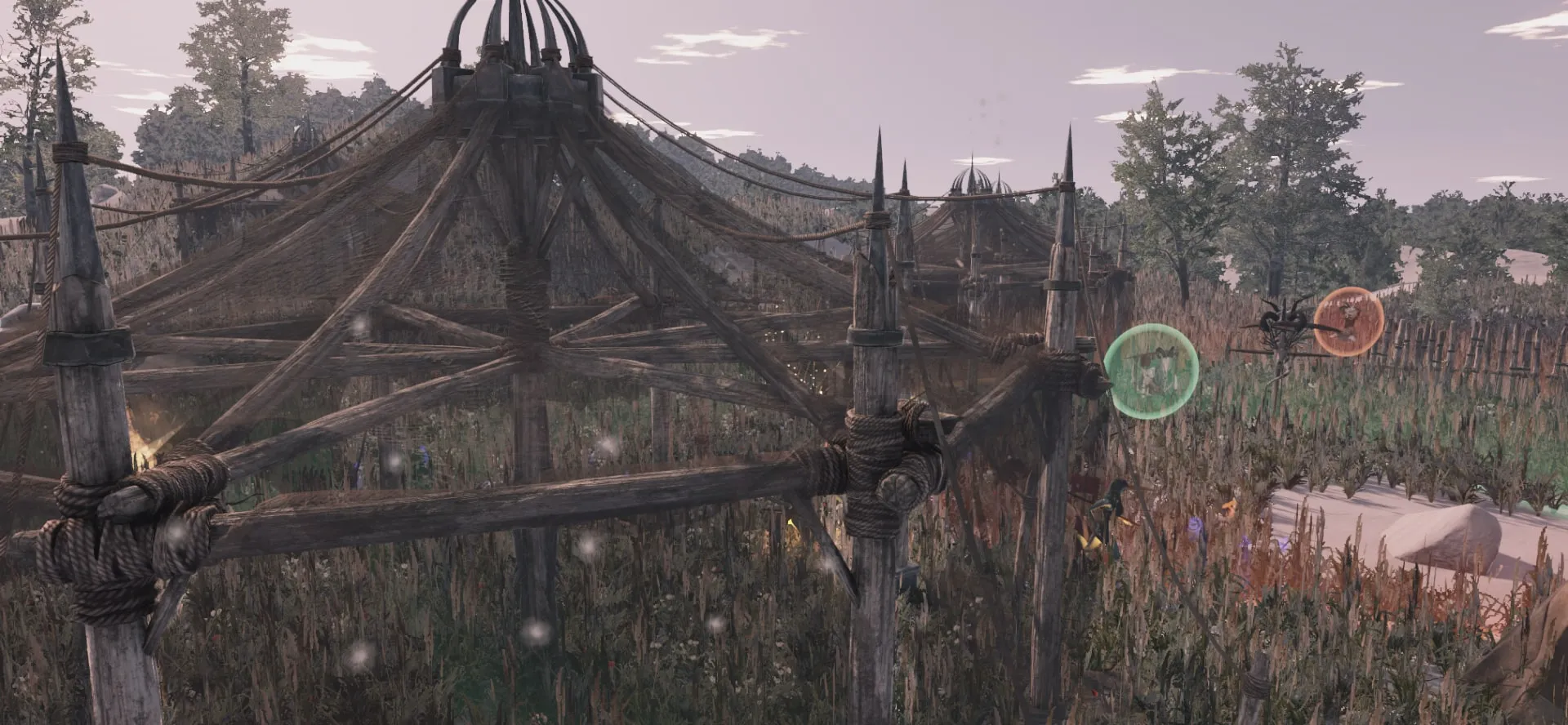
Auras, firing ranges and domes: the three circles on your ground
A circle on the ground can be an aura that buffs whoever stands in it, the reach of something that shoots, or a dome that eats arrows. Three different rules, three different counters — and the one aura whose radius grows stops just short of a bow's range, on purpose.