Sap and mana: magic is a conversation, not a resource
The blue bar is condensed Sap, the blood of a living world. Casting time is how long the world takes to listen, a cooldown is the world keeping quiet, and a curse is a debt owed to the mist. The fiction under the magic system.
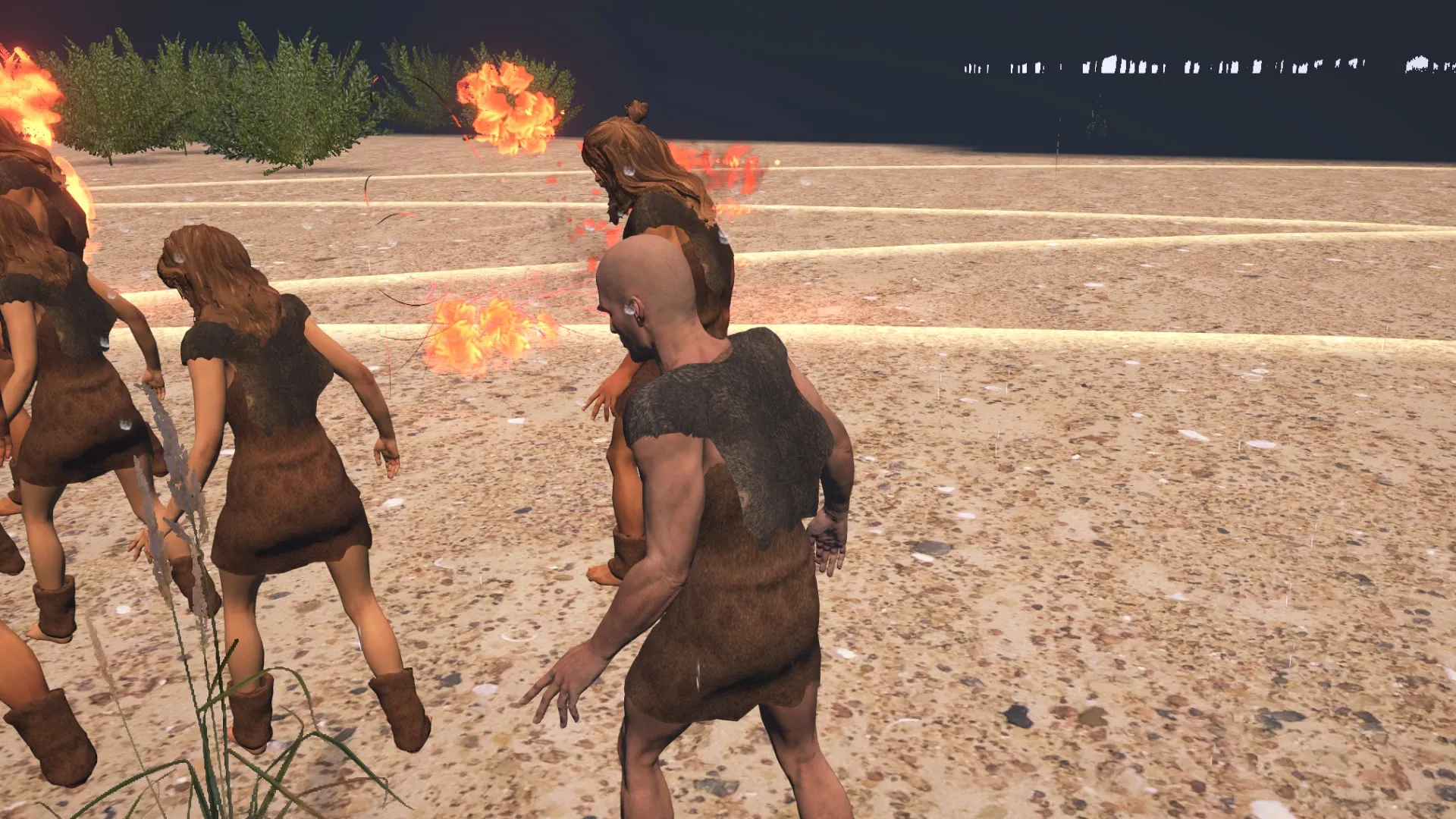
Magic in Stone Tribes is never a technology and never a force anyone owns. It is a conversation with a living world. You do not fire a spell — you ask, you sing, you offer. The world answers according to what it has been given.
The interface draws a blue bar, because an interface has to draw something. Here is what the bar is.
The Sap
Before the first stone there was the Breath, and what the Breath left behind is a world that is alive. Its blood is the Sap. In the veins of the living, condensed Sap becomes mana.
- Your mana pool is how much Sap a body can hold before it runs dry.
- A spell’s cost is the quantity of Sap you give back to the world in exchange for its answer.
- Regeneration is the Sap climbing out of the ground and into the body, the way water climbs a root.
An exhausted caster is not low on energy. He is dry: his root no longer reaches the water. He has to rest on living ground — or drink someone else’s Sap, which is another matter entirely.
Three ways of asking
Chants — what the game calls spells
A Chant is an active demand, immediate, paid in Sap. The rawest form of magic: the right word, a gesture, an offering, and the world acts now.
Casting time is how long it takes the world to listen. A great Chant is not shouted. Cooldown is the world falling silent after it has given; insisting too early is not being heard. A Chant’s level is the depth of the bond between the singer and the spirit. You do not make a Chant louder — you come to know it better.
Chants pass from mouth to ear, never in writing. A written Chant would be dead: it is missing the breath.
Bonds — the enchantments
A Bond is a favour that lasts. You are not asking for an action, you are asking for a promise. The world keeps it for a while and then takes it back, often with one last gesture — which is exactly the thing that fires when a duration runs out.
“Yül, hold my arm steady until nightfall.” — and at dusk the strength leaves, sometimes trailing a blessing, sometimes a fatigue.
Taints — the alterations
A Taint is a promise imposed, against the will of whoever carries it. It is the work of Skarn: forgetting, and mist. Poison, weakness, frost, terror, the curse of running dry.
A body can only carry so many Taints at once; past that, the flesh refuses, or gives. And like a Bond, a Taint ends — and its ending is allowed to strike one last time.
Who gets to speak
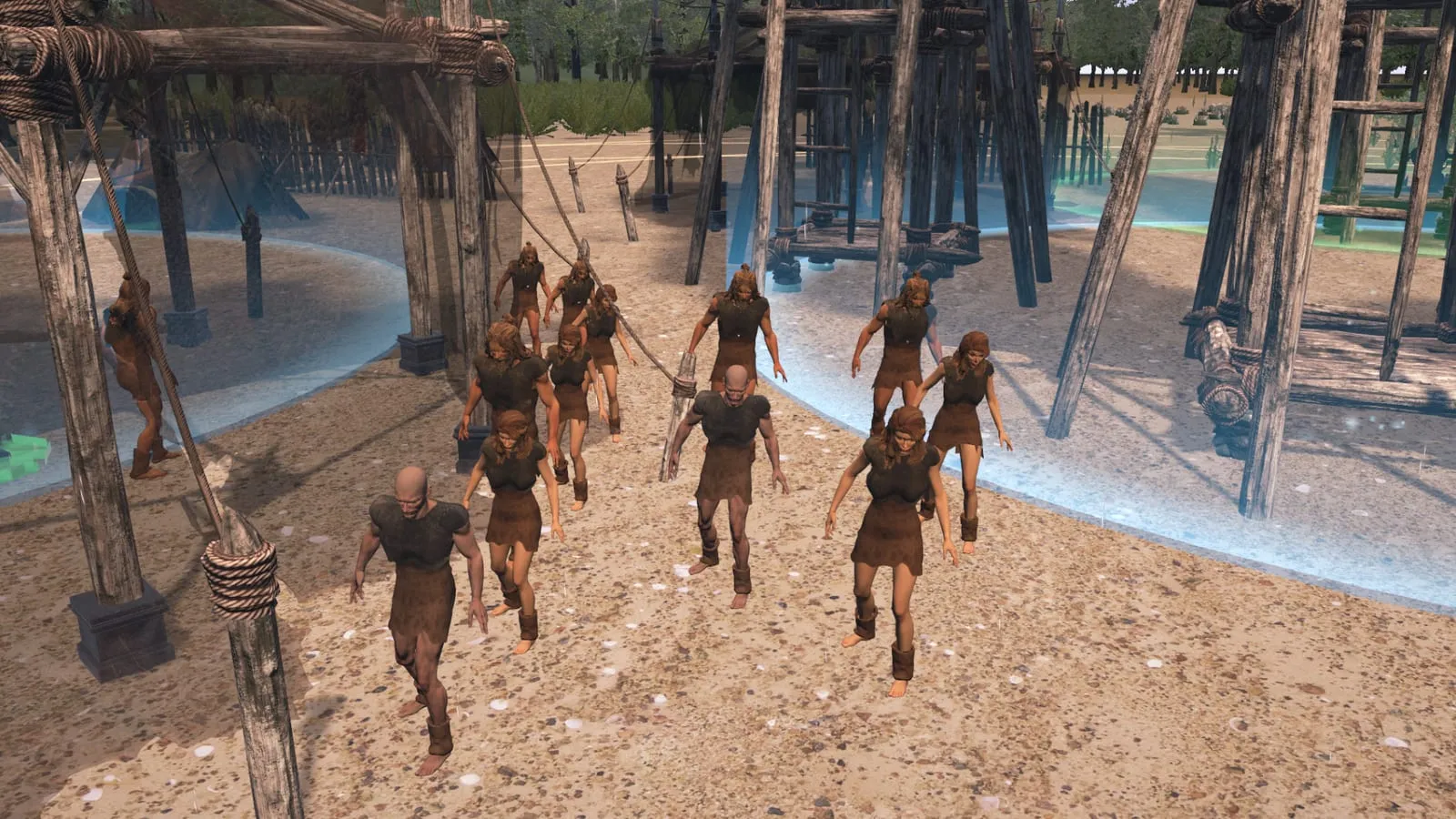
Every one of the flesh-born carries some Sap, so everyone can receive — drink a brew, be given a Bond. But singing is a craft, and it has its lineages.
Sap-Singers, the healers and druids, stand close to Yül and ask for life. Stone-Voices, the totemists, stand close to Drenn; they bind spirits and raise the woken stone. Mist-Walkers stand close to Skarn and are feared for it: they impose Taints and open the thresholds between lands. Plenty of tribes banish them, and then go and beg them in secret.
The one unforgivable thing
Drinking the Sap of a living being to feed your own Chants.
It is fast, it is strong, and it hardens the soul. You slide toward Drenn until you stop changing at all — until you are a thing of stone that still thinks. The Stilled were sorcerers once, and they drank too much.
None of this is decoration. Every rule of the fiction has a rule of the game under it, and that is the condition we hold it to. The next time a spell refuses to go off because you asked for it three seconds ago, it is not a cooldown. It is the world keeping quiet.
And the one who is listening on the other side of the totem — that is you.
Keep reading
-
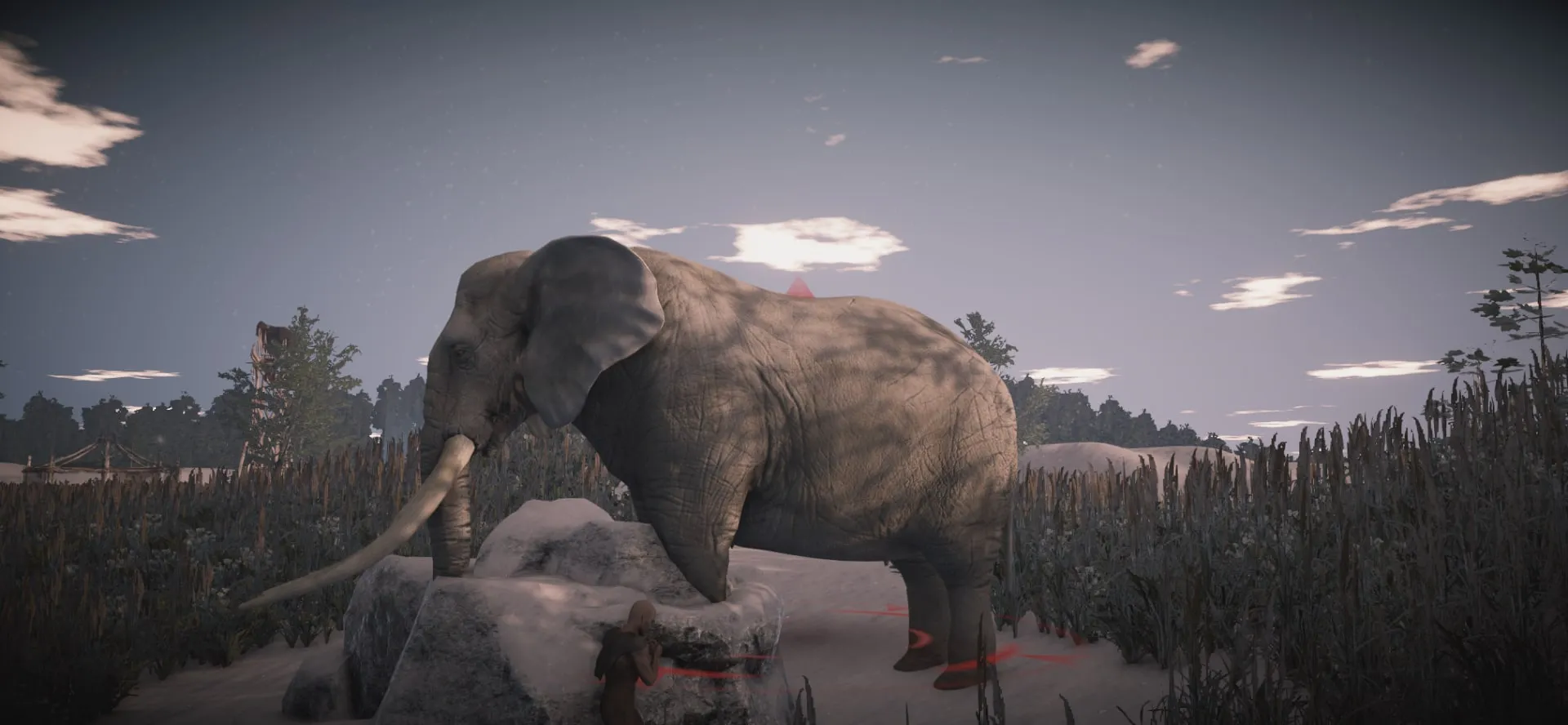
Flesh that forgets, stone that remembers too much
There are no species in this world, only three ways of being alive, depending on which of the Three First runs strongest in a creature's sap. The flesh-born, the nameless beasts, the woken stone — and the five tribes that argue about which one is right.
-
You are not a general. You are an ancestor.
The tribe does not obey orders, it obeys its dead. One idea — the player is an ancestral spirit held to the world by a totem — explains the camera, the automations, the spawn point and the defeat condition. The pillar the whole world is built on.
-
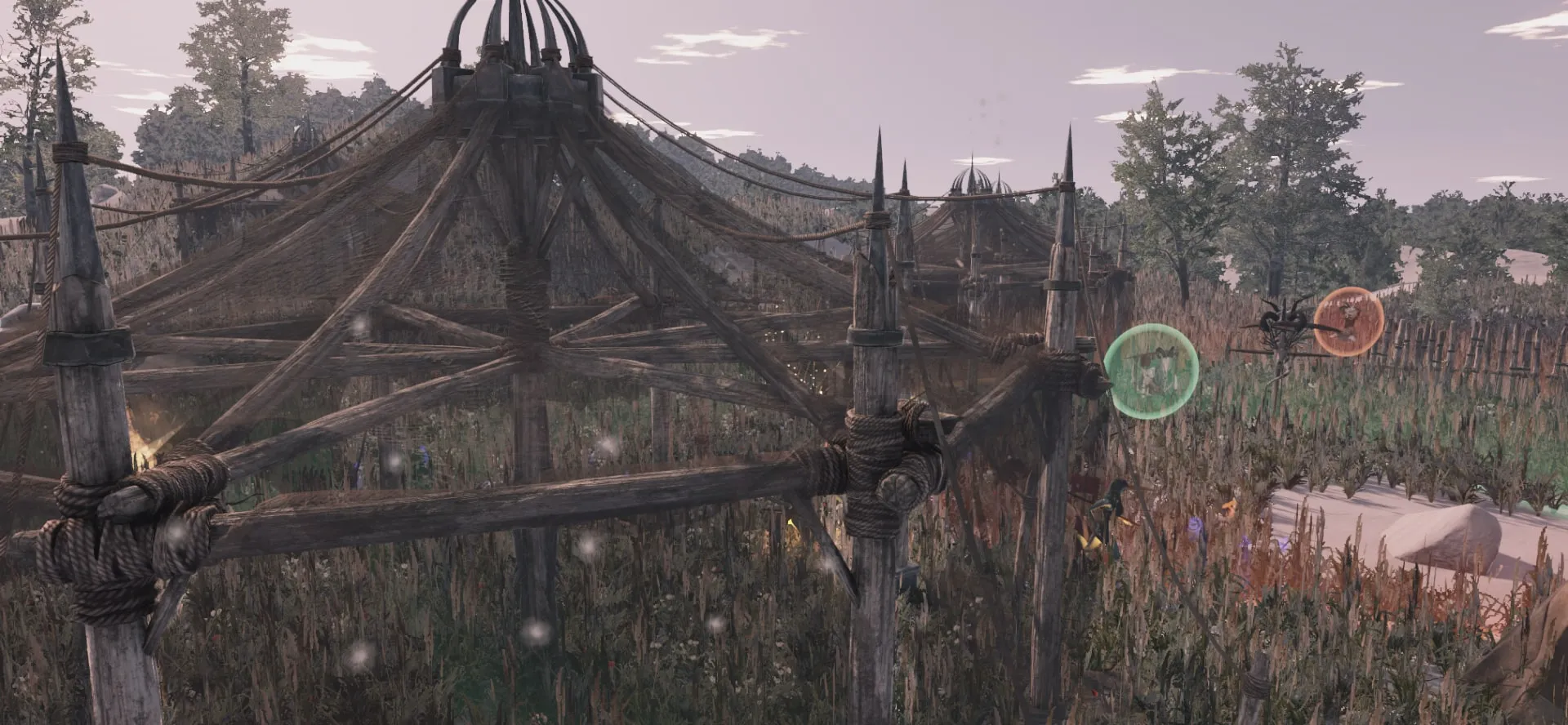
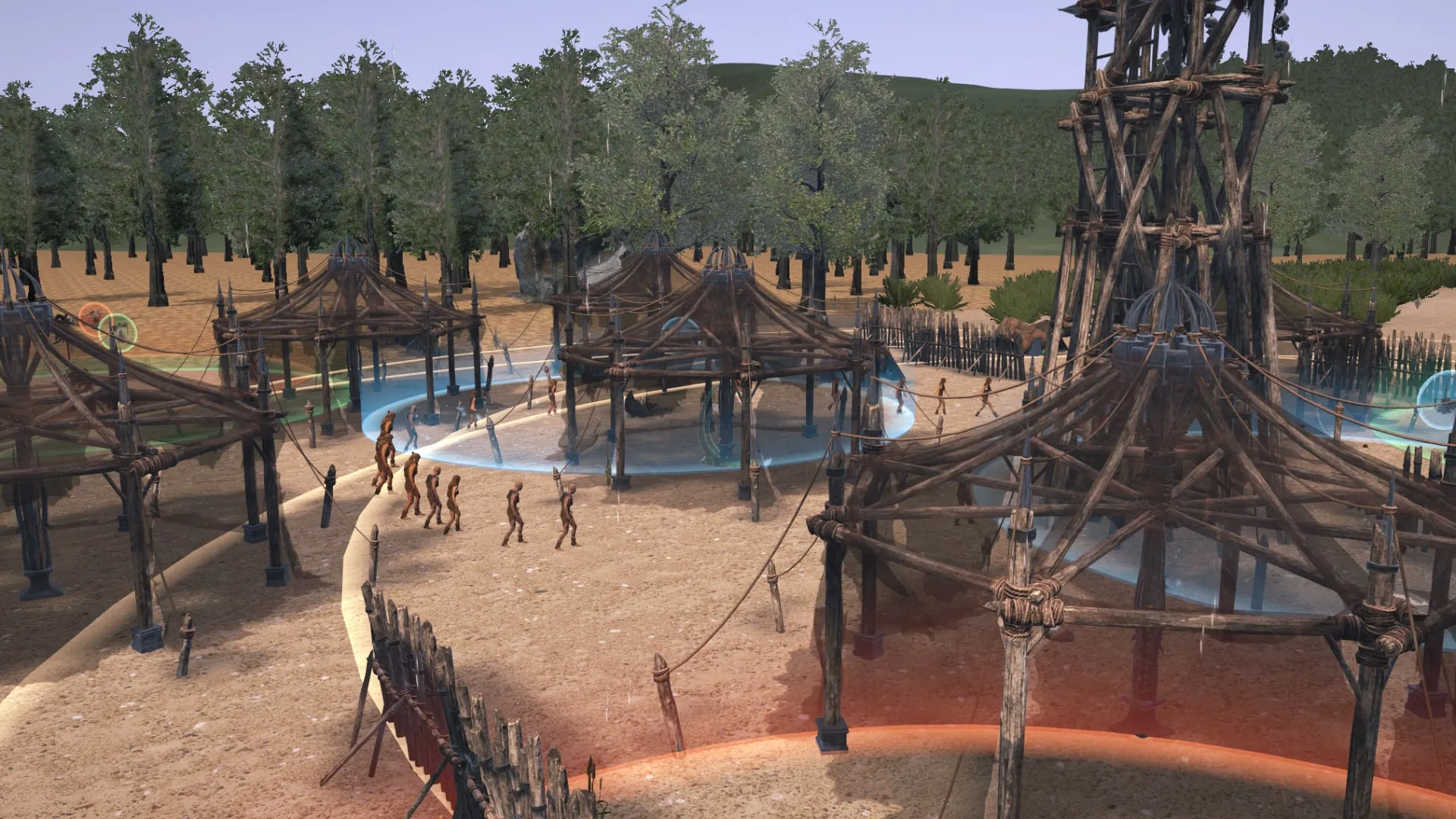
Auras, firing ranges and domes: the three circles on your ground
A circle on the ground can be an aura that buffs whoever stands in it, the reach of something that shoots, or a dome that eats arrows. Three different rules, three different counters — and the one aura whose radius grows stops just short of a bow's range, on purpose.